VR Police Training System (VRTS)
A purpose-built VR platform for immersive police and tactical training, co-developed with the Belgian Police.

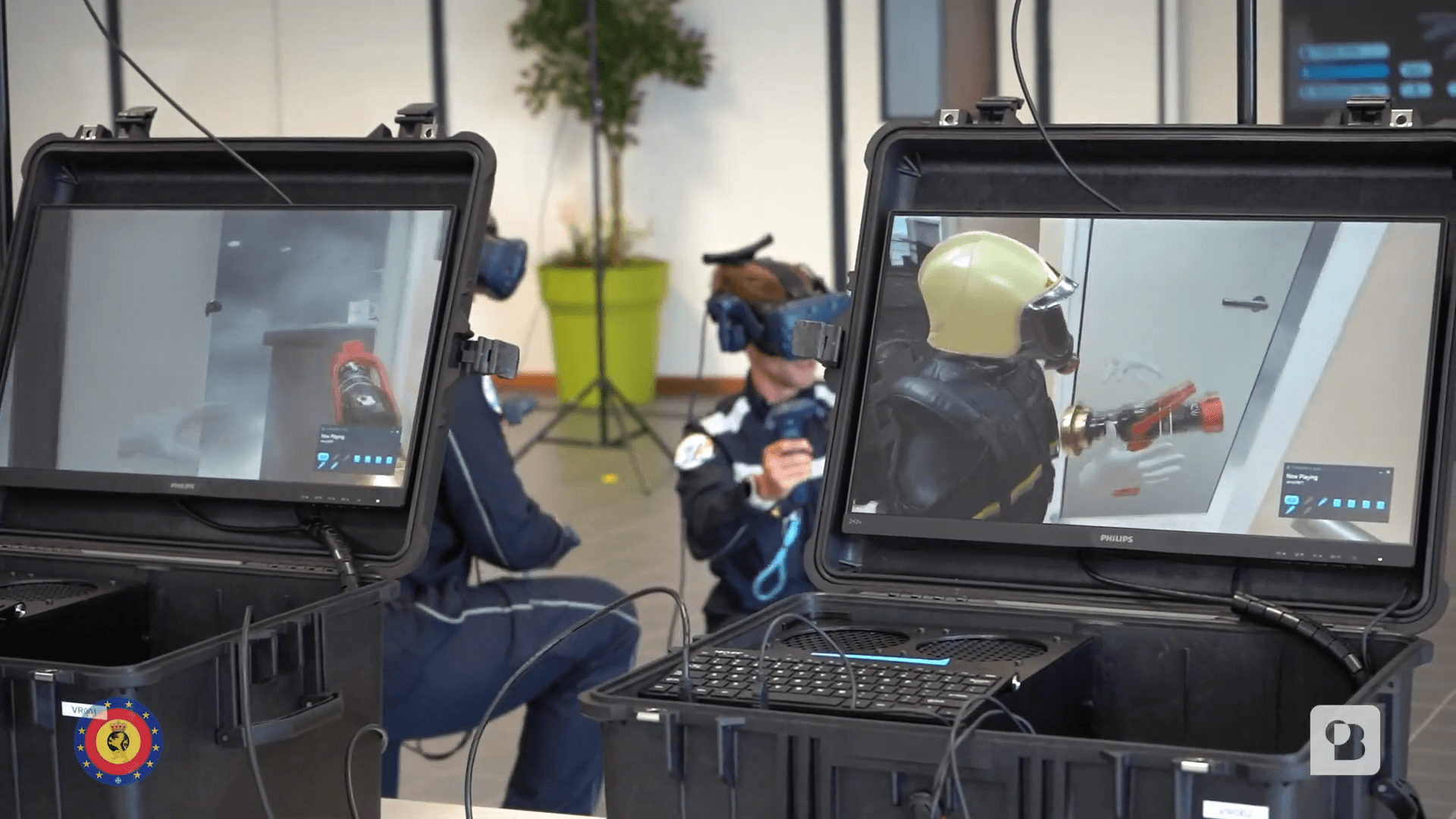
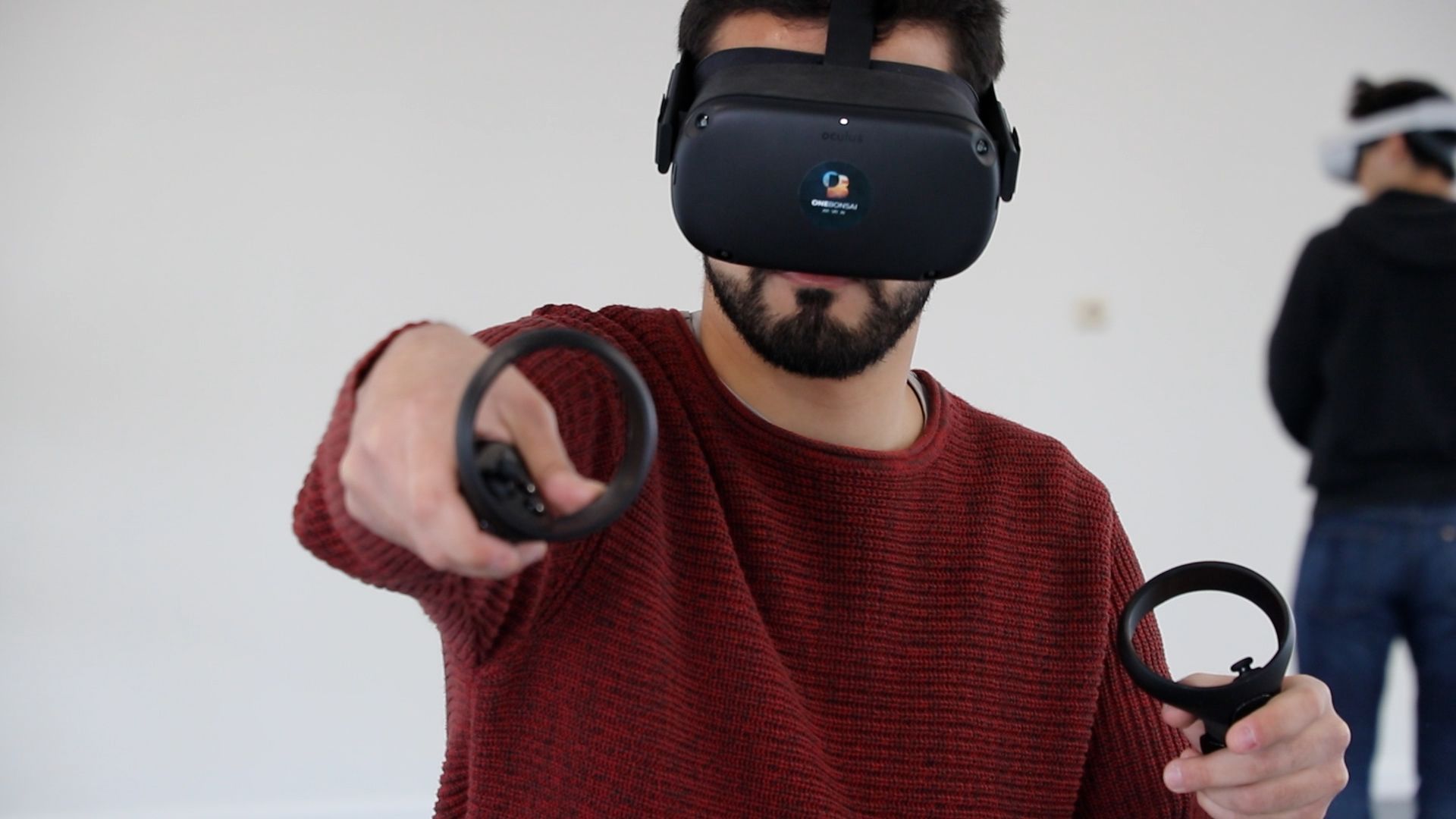
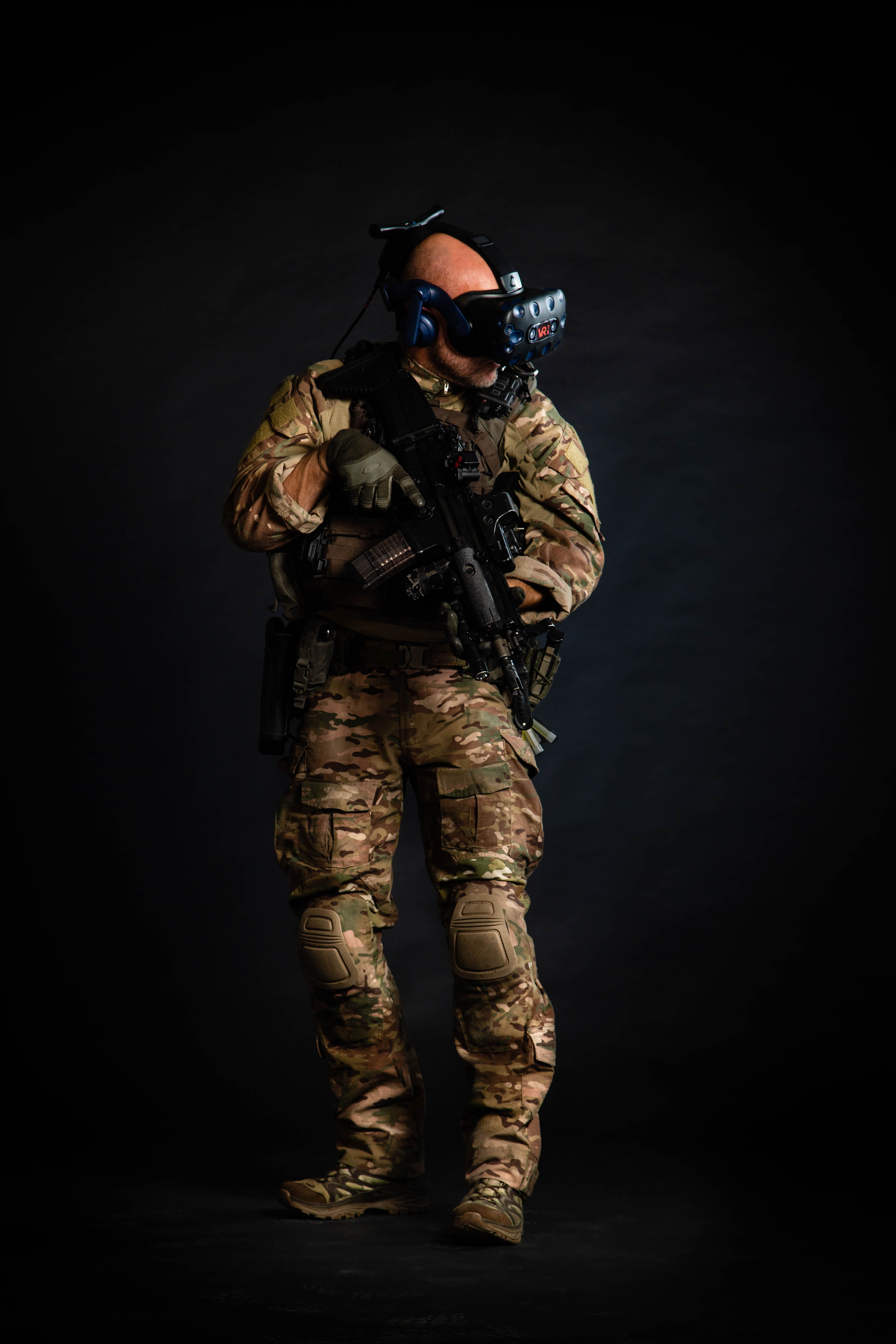
VRTS is a virtual reality training platform specifically designed for law enforcement. Co-developed with the Belgian Police, it replicates real-world operational environments and stressors in a safe, scalable VR framework. From individual interventions to coordinated force-on-force team operations, VRTS enables agencies to train without the risks, logistic burden, or cost of live exercises. The platform supports both fixed installations and portable mobile kits, making it deployable anywhere from police stations to remote training sites.
Keep this case for your review
Download the complete VR Police Training System (VRTS) case as a PDF.
Case at a glance
Navigate the case section by section.
This map uses the published section headings below. Select a section to inspect the source detail.

Bridging the Gap Between Classroom and Street
Challenge

Purpose-Built VR for Law Enforcement
Solution

Co-Developed with the Belgian Police
Approach

Safer Training, Better-Prepared Officers
Outcome
Challenge
Police forces face increasing complexity in daily operations. Officers must handle unpredictable, high-pressure situations where split-second decisions can mean the difference between escalation and resolution. Traditional training methods such as classroom instruction or static shooting ranges fall short in replicating the intensity and unpredictability of real-world policing. Live exercises, while more realistic, are costly, logistically difficult, and often unsafe. Ammunition, venue hire, travel, and specialized personnel drive costs up quickly. Many officers enter the field without sufficient exposure to realistic practice scenarios, limiting their ability to remain calm, coordinate with colleagues, and make the right decisions under pressure.
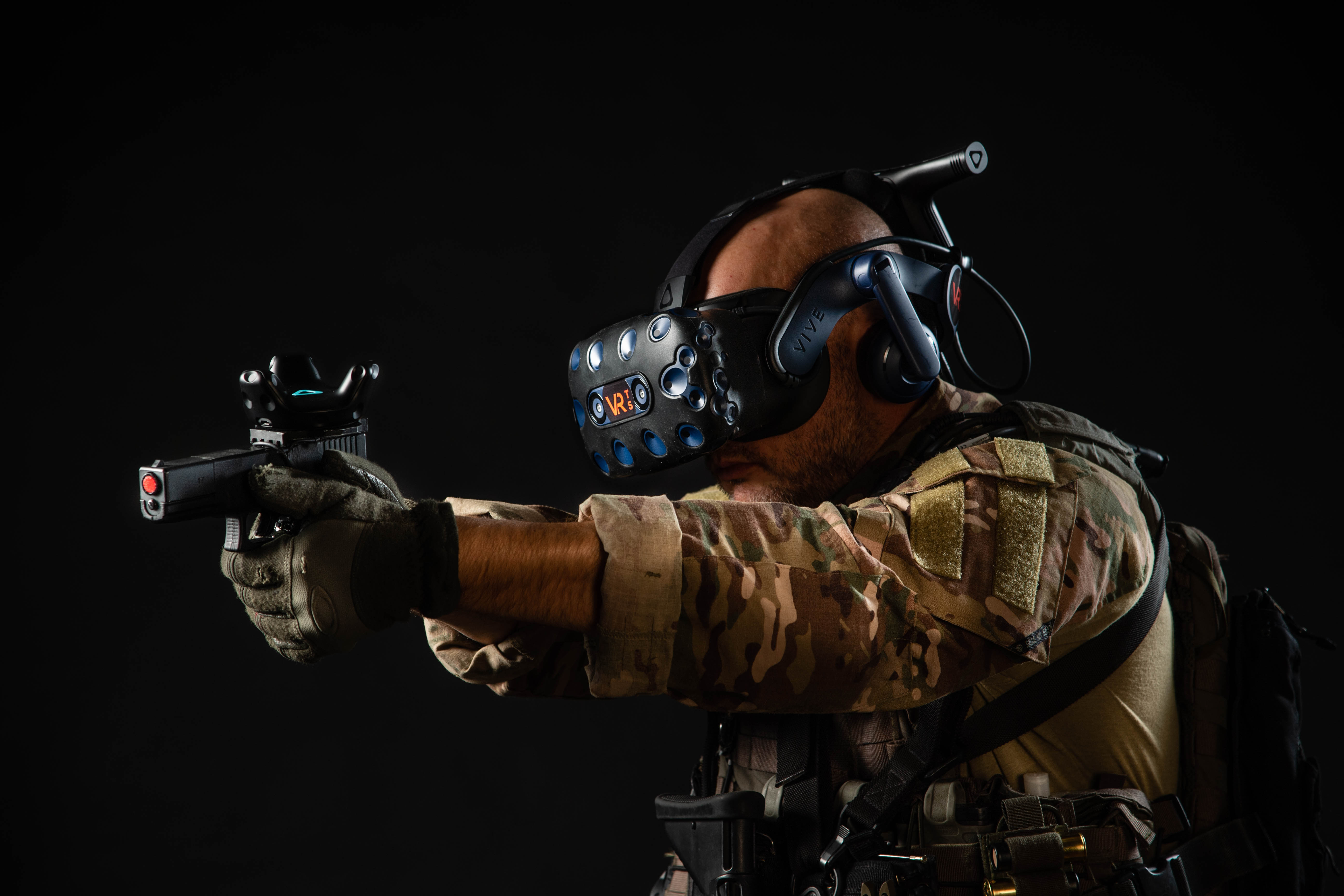
“Conventional training could not replicate the unpredictability and intensity of real police work.”
Solution
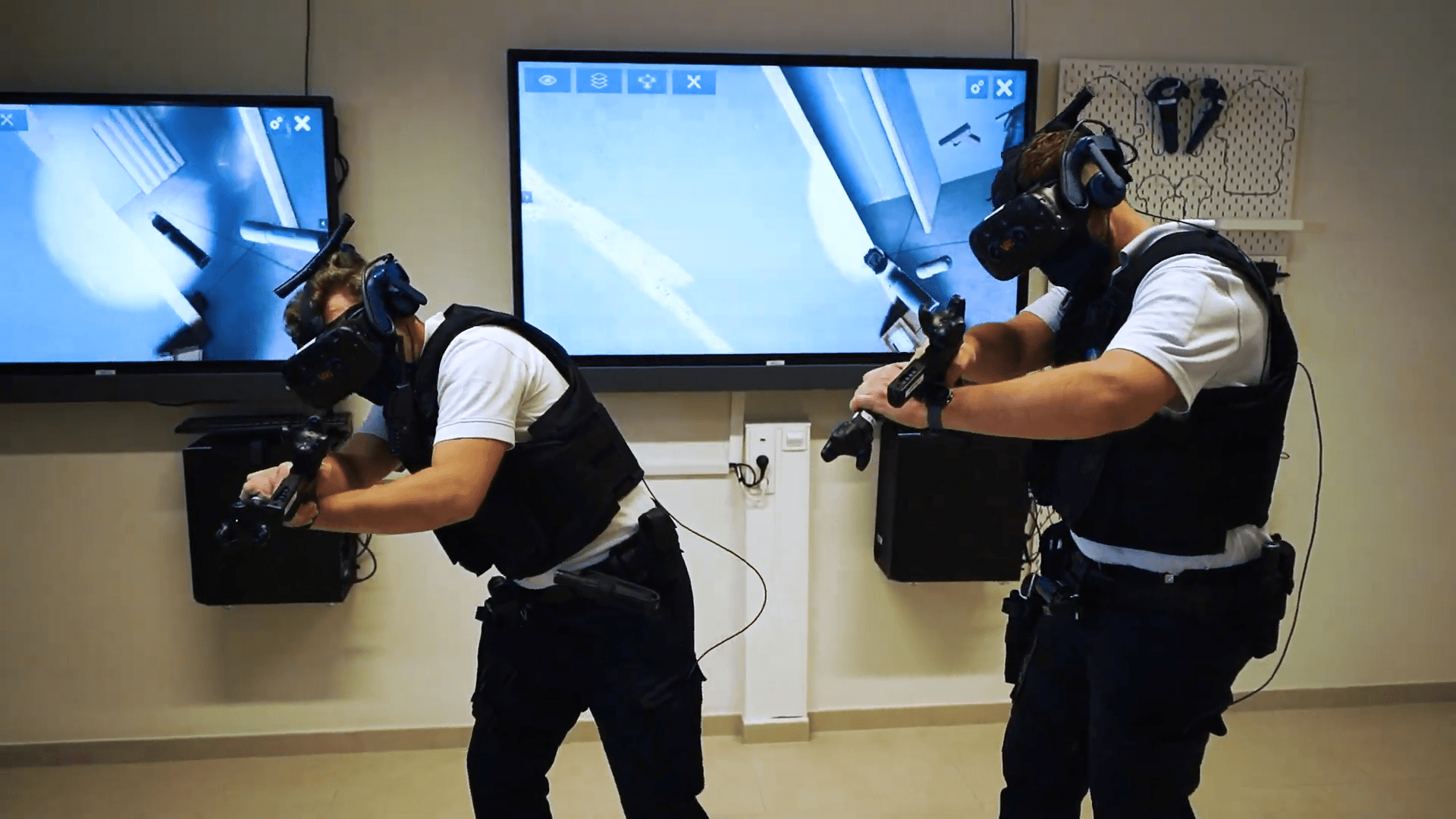
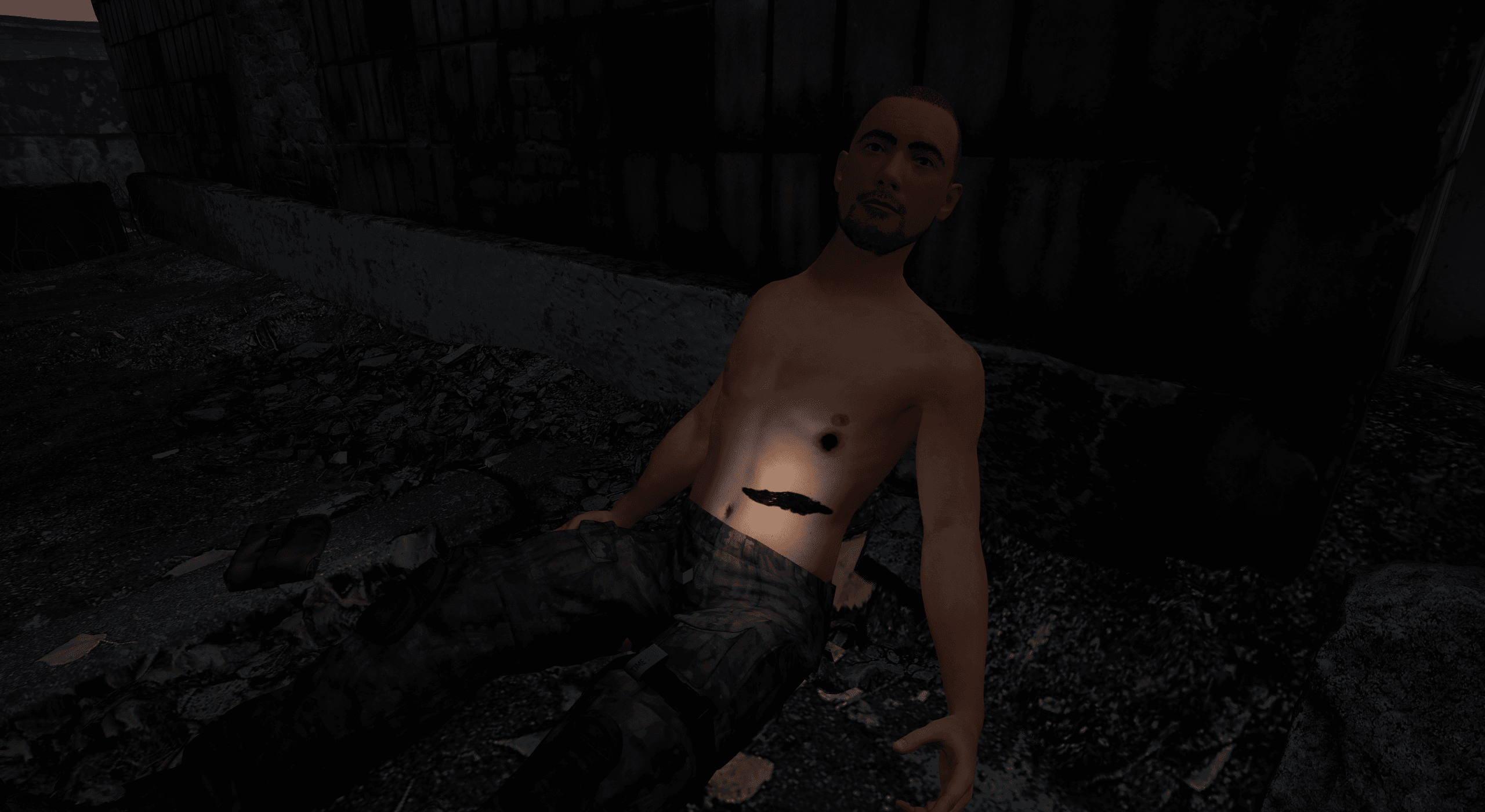
OneBonsai developed VRTS, a VR training platform built from the ground up for defense and security training. Every virtual projectile is subject to detailed ballistics modeling: penetration, ricochets, trajectory drop, and material interactions. Weapons in VR are near-perfect physical replicas with calibrated grip, weight, trigger dynamics, and accessory compatibility. The platform supports scenarios ranging from simple individual interventions to coordinated team operations under force-on-force settings. Environmental realism includes reactive digital humans, accurate environments, day/night lighting, blue-light effects, and randomized scenarios. Because training is fully virtual, scenarios can be repeated endlessly, adjusted in difficulty, or customized to specific operational needs.
Approach
VRTS was developed in close collaboration with the Belgian Police, ensuring alignment with real operational challenges, procedures, and behavioral standards. Law enforcement professionals contributed insights on tactical movement, communication under pressure, firearm mechanics, and psychological stress simulation. Instructors can author custom scenarios using built-in editing tools, enabling effectively unlimited training content. Difficulty scales based on trainee experience. The system supports both fixed installations embedded into training rooms and mobile kits that allow setup and redeployment in under an hour. VR space is configurable from 4x4 m up to 30x30 m. Built-in analytics track officer performance metrics for quantitative evaluation, enable live observation and post-action review, and allow instructors to annotate behavior and provide structured debriefs.
“Officers can practice high-pressure situations repeatedly until they get them right.”
Outcome
VRTS delivers measurably improved training outcomes. VR immersion leads to higher memorization and retention than traditional methods. Officers report feeling more confident in their ability to de-escalate conflicts, make sound decisions under stress, and work as a team in dynamic environments. The platform eliminates costs related to ammunition, travel, ranges, and logistics while increasing training throughput and frequency. Scenarios can be repeated and randomized with minimal additional cost. Data-driven tracking replaces subjective assessment, giving commanders objective insight into readiness levels. By combining immersion with safety and efficiency, VRTS helps raise the overall standard of police preparedness.
VRTS officer training in VR
VRTS tactical scenario training
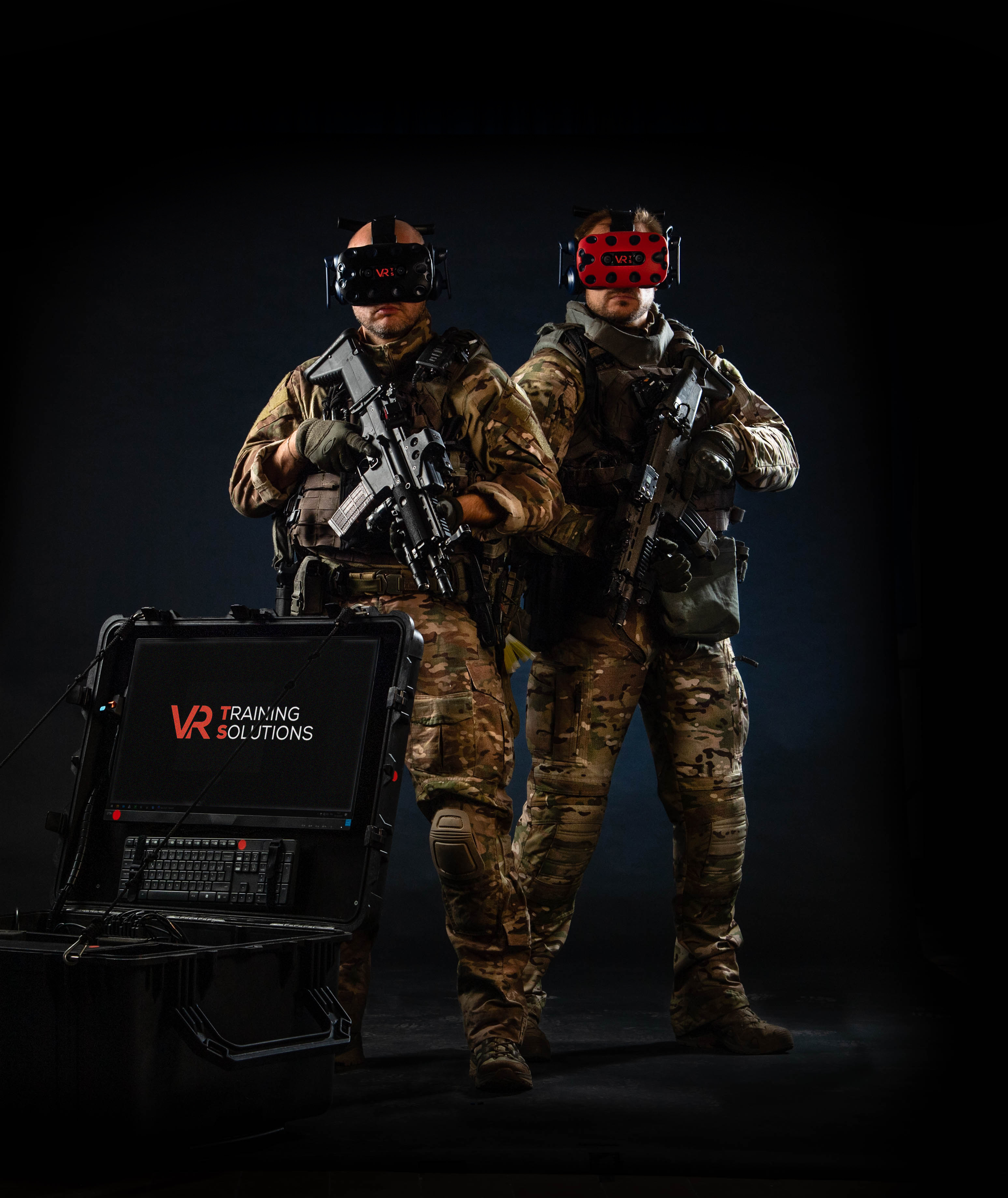
VRTS multi-user team training
“VR makes police training safer, more flexible, and better aligned with modern operational needs.”
For safety and learning teams
Planning safety training across teams or sites?
Discuss scenarios, hardware logistics, instructor workflows and training evidence requirements.