VR training for defence
Tactical combat casualty care (TCCC) VR training
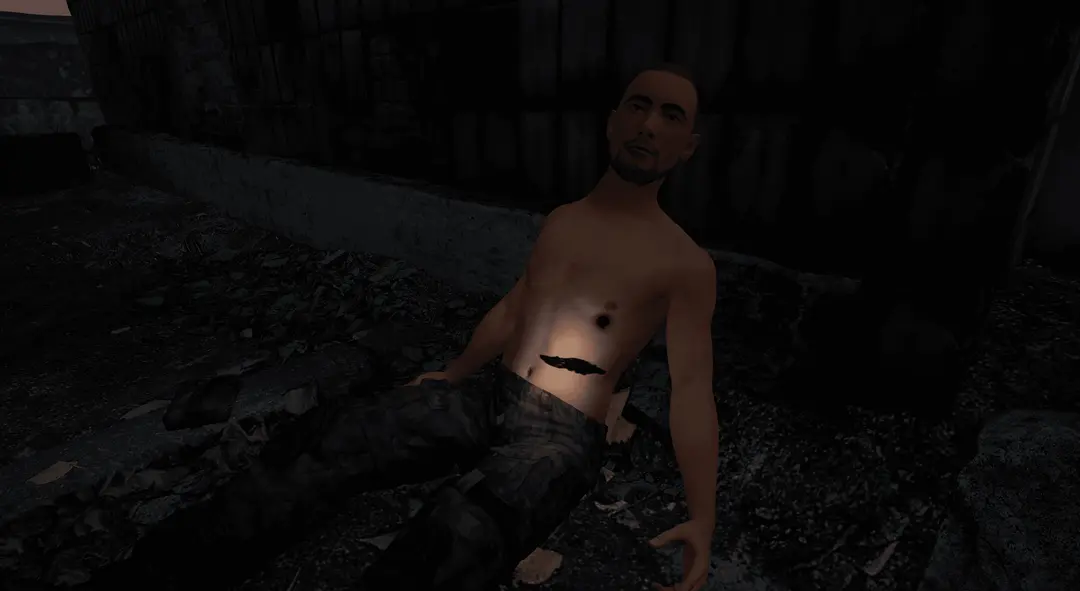
Soldiers practise the MARCH protocol on wounded casualties in realistic battlefield scenarios, as often as it takes to master it. The mobile system was developed with military medical experts and runs on base or in a classroom.
Who it is for
- Armed forces training recruits in battlefield first aid
- Units that need refresher training for experienced soldiers
- Military medical schools and instructors
- Organisations that need casualty-care training in high-risk environments
What soldiers practise
The MARCH protocol is the framework: Massive haemorrhage, Airway, Respiration, Circulation, Hypothermia and head injury.
The right intervention, in the right order
Stopping haemorrhages, securing airways, treating respiratory problems and preventing shock, step by step.
Under combat stress
Scenarios reproduce the noise, stress and unpredictability of combat, so decisions have to be made quickly.
Varied casualties
Scenarios are repeatable and adaptive: injury types, severity and battlefield conditions change between runs.
How it works
- 01
Fully mobile
The system runs on mobile VR, so training is delivered on base or in a classroom without an extensive physical set-up.
- 02
Aligned with current guidelines
Developed in close collaboration with military medical experts to align with NATO's updated guidelines.
- 03
Measured progress
Built-in performance metrics let instructors track progress, measure retention and see where a trainee needs more practice.
What it changes
Retention of lifesaving procedures improved compared with classroom methods.
Tactical Combat Casualty Care (TCCC)Instructors observed faster decision-making and greater accuracy in simulated emergencies.
Tactical Combat Casualty Care (TCCC)Large groups can be trained efficiently, with less reliance on costly and risky live drills.
Tactical Combat Casualty Care (TCCC)“VR provides us with options to train at scale. We therefore see it as a force multiplier.”
Defence training we have delivered
Tactical Combat Casualty Care (TCCC)
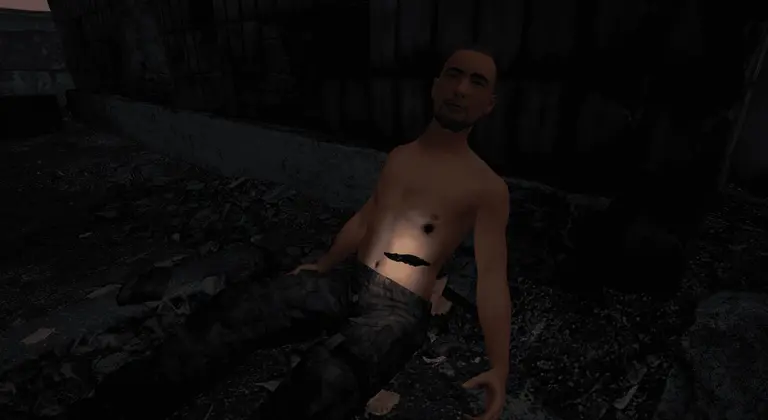
Mobile VR training that prepares soldiers to perform lifesaving medical interventions under combat conditions.
Read the case study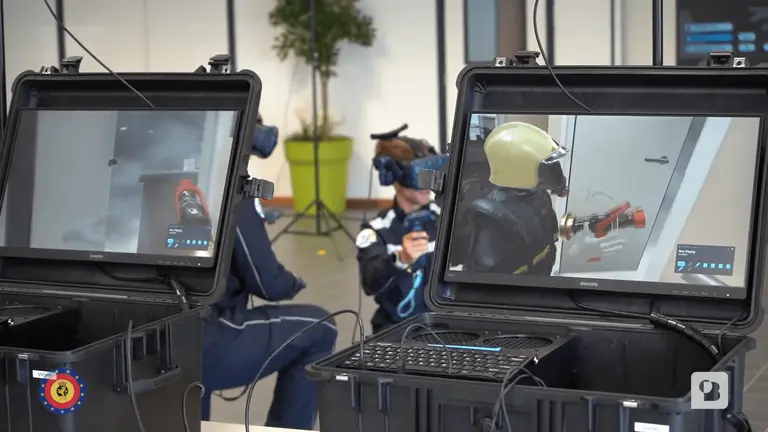
Naval Firefighting Training
Hyper-realistic VR firefighting that trains naval crews to handle onboard emergencies safely and effectively.
Read the case study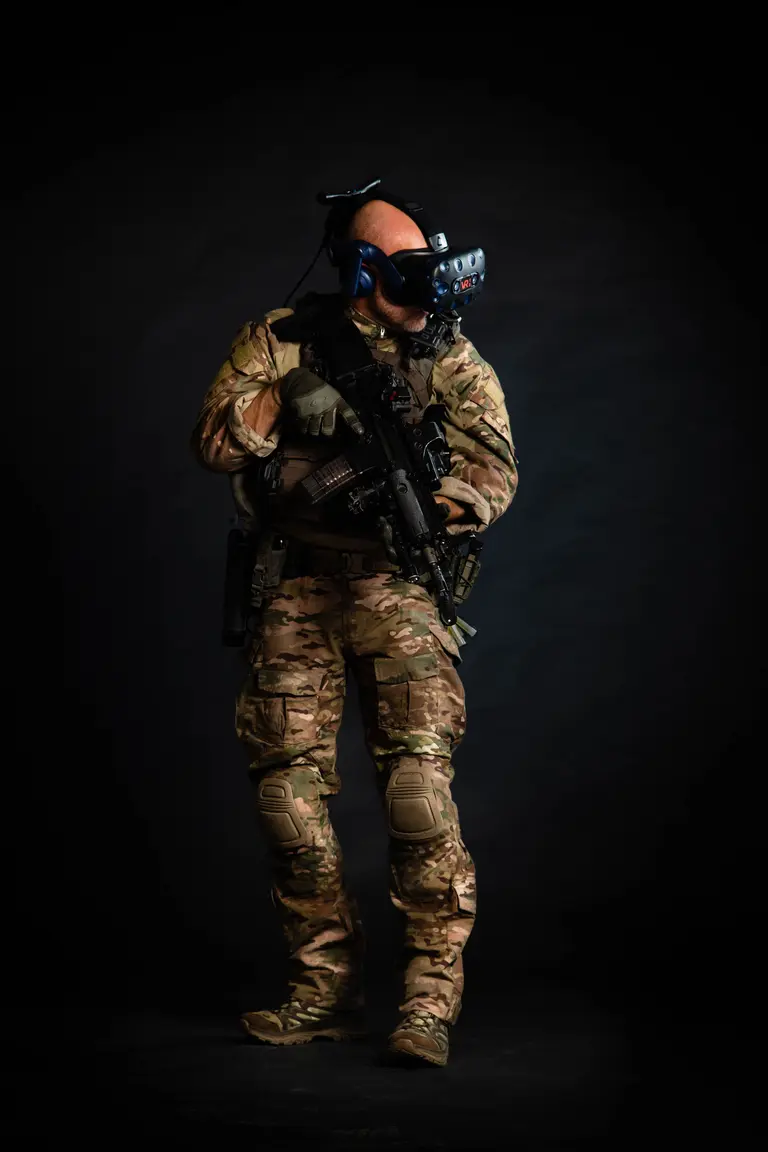
VR Police Training System (VRTS)
A purpose-built VR platform for immersive police and tactical training, co-developed with the Belgian Police.
Read the case studyQuestions and answers
- What is TCCC VR training?
- TCCC VR training teaches tactical combat casualty care in virtual reality. Trainees treat wounded casualties in a simulated battlefield, applying the MARCH protocol step by step under time pressure.
- What does MARCH stand for?
- Massive haemorrhage, Airway, Respiration, Circulation, and Hypothermia or head injury. It sets the order in which life-threatening injuries are treated.
- Where can the training be delivered?
- The system is fully mobile, so it can be used on base or in a classroom without an extensive physical set-up.
- Can instructors measure progress?
- Yes. Performance metrics are built in, so instructors can track progress, measure retention and identify areas for improvement.
- Is it only for new recruits?
- No. It is used for new recruits and for experienced soldiers who need refresher training.
Discuss casualty-care training
Tell us who you train and under which constraints. We reply with what a deployment would involve.