Explore the key digital trends shaping 2026, from agentic AI and physical intelligence to deep tech, immersive learning, and the global forums defining what comes next.
The start of 2026 feels different from previous “new tech years.” Not because radically new technologies appeared overnight, but because many of the tools that once felt experimental are now quietly embedded into how organizations operate. AI systems are no longer being tested in isolation. Immersive technologies are no longer limited to pilots. Digital decisions increasingly shape real-world outcomes, from safety and training to productivity and trust.
What stands out most in early 2026 is a shift in mindset. The conversation has moved away from what is possible toward what is reliable, scalable, and defensible. Companies are asking harder questions about integration, governance, and human readiness. This is the environment where deep tech either matures or disappears.
For organizations working with advanced technologies, including AI-driven simulations, immersive learning, and intelligent systems, 2026 is shaping up to be a year defined by execution rather than experimentation.
From AI Tools to Agentic Systems
One of the strongest digital trends in 2026 is the evolution of AI from reactive assistants to proactive, agent-based systems. Instead of answering prompts, these systems coordinate tasks, make decisions within constraints, and collaborate with other agents across workflows.
This shift is clearly reflected in strategic outlooks from Gartner, which highlights multi-agent systems, AI-native platforms, and AI security as defining themes for the year.
What this means in practice is that AI is becoming less visible and more structural. The real value is no longer in impressive demos, but in systems that can be trusted to operate continuously inside complex environments. This raises the bar for governance, testing, and training, especially when humans remain accountable for outcomes.
Physical AI and the Return of the Real World
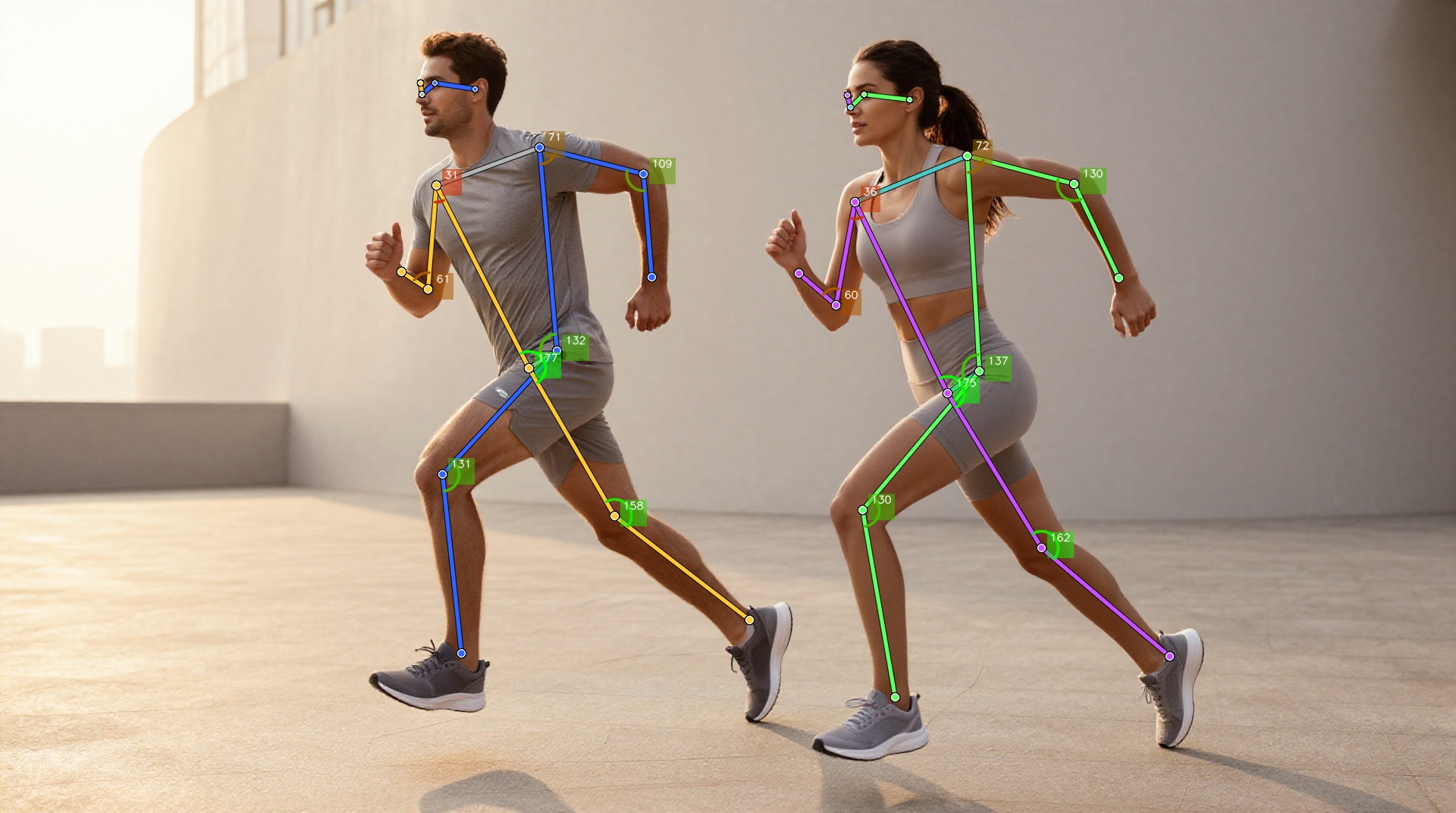
Another defining theme of 2026 is the convergence of digital intelligence with physical environments. AI is no longer confined to screens and dashboards. It is embedded in machines, wearables, industrial systems, and spatial interfaces.
Deloitte refers to this shift as “physical AI” in its 2026 Tech Trends, while CES continues to showcase how robotics, edge computing, and sensor-driven intelligence are becoming operational rather than conceptual.
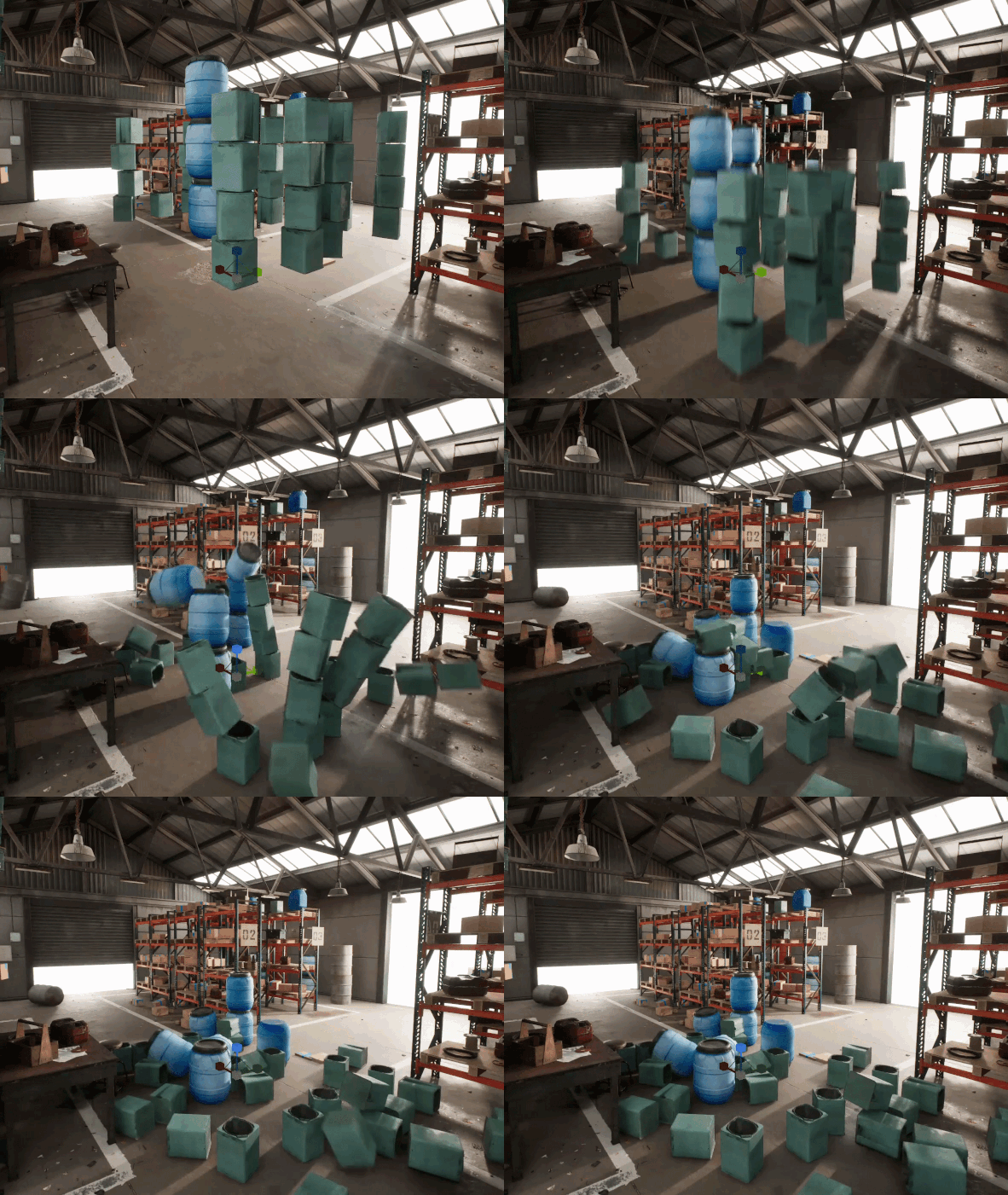
As digital systems increasingly act in physical spaces, the cost of error rises dramatically. This is where immersive simulation and experiential training move from “nice to have” to essential infrastructure. Organizations need safe environments to test behavior, decision-making, and system interaction before consequences become real.
Digital Trust as a Competitive Advantage
If there is one constraint shaping digital adoption in 2026, it is trust. As AI systems influence hiring, finance, healthcare, security, and operations, organizations must be able to explain how decisions are made, who is responsible, and whether systems can be audited.
This focus on trust is reflected in Gartner’s emphasis on digital provenance and confidential computing, as well as in the latest cybersecurity outlooks from the World Economic Forum.
In 2026, digital trust is no longer just a compliance issue. It is a differentiator. Organizations that can demonstrate transparency, resilience, and human oversight will move faster than those stuck navigating uncertainty after deployment.
Live forums remain one of the best ways to track how digital trends move from theory into practice. In 2026, several global events stand out for their relevance to AI, deep tech, and immersive systems.
DeepTechLive - an event dedicated to the most promising Deep Tech ventures in the community
Mobile World Congress continues to be an early signal for platform shifts across AI, connectivity, and enterprise technology
VivaTech offers a strong intersection of startups, corporates, and applied innovation.
Hannover Messe remains essential for understanding industrial AI, robotics, and manufacturing transformation.
RSAC Conference is a key reference point for AI security, digital trust, and resilience.
LEAP reflects the rapid acceleration of deep tech adoption across the GCC region.
AWE USA is particularly relevant for immersive technology, spatial computing, and enterprise XR use cases.
Web Summit and Slush continue to shape late-year conversations around frontier technology and investment.
The digital landscape of 2026 is not defined by a single breakthrough, but by a collective maturation. AI is becoming operational. Immersive technology is becoming infrastructural. Trust, training, and governance are becoming strategic priorities rather than afterthoughts.
For companies building at the intersection of AI, simulation, and human performance, this is a moment of real opportunity. The organizations that succeed will be those that treat technology not as a shortcut, but as a system that people must learn to understand, trust, and master.
If 2025 was about acceleration, 2026 is about alignment. And that may be the most important digital trend of all.