What NMBS, Colruyt Technics and the University Hospital Bonn show about rolling out VR training to more than a thousand people.
A pilot with fifteen people shows that VR training works for you. It says little about what happens when the group is a thousand people, spread over sites, shifts and languages. At that size the software is rarely the problem. The schedule, the headsets and the people who run the sessions are.
Three of our programmes were built for that size, in very different settings: a national railway, the technical division of a retail group and a university hospital. This post looks at what each one did, and what the choices have in common.
Three programmes at a glance
| NMBS | Colruyt Technics | University Hospital Bonn | |
|---|---|---|---|
| Who | Thousands of railway staff across Belgium | The technical workforce of a large retailer | 1,000 newly hired nurses and 600 nursing students |
| Topic | Fire safety and evacuation | Hazard spotting and fire safety | Clinical nursing procedures |
| Content | Built for railway environments | Ready-made modules | Built in a digital twin of a hospital patient room |
| Format | Sessions at stations and depots | Group sessions with 12 headsets | Individual practice, followed by trainers remotely |
Lesson 1: choose the session format before you count headsets
How many headsets you need follows from how you train, not the other way round.
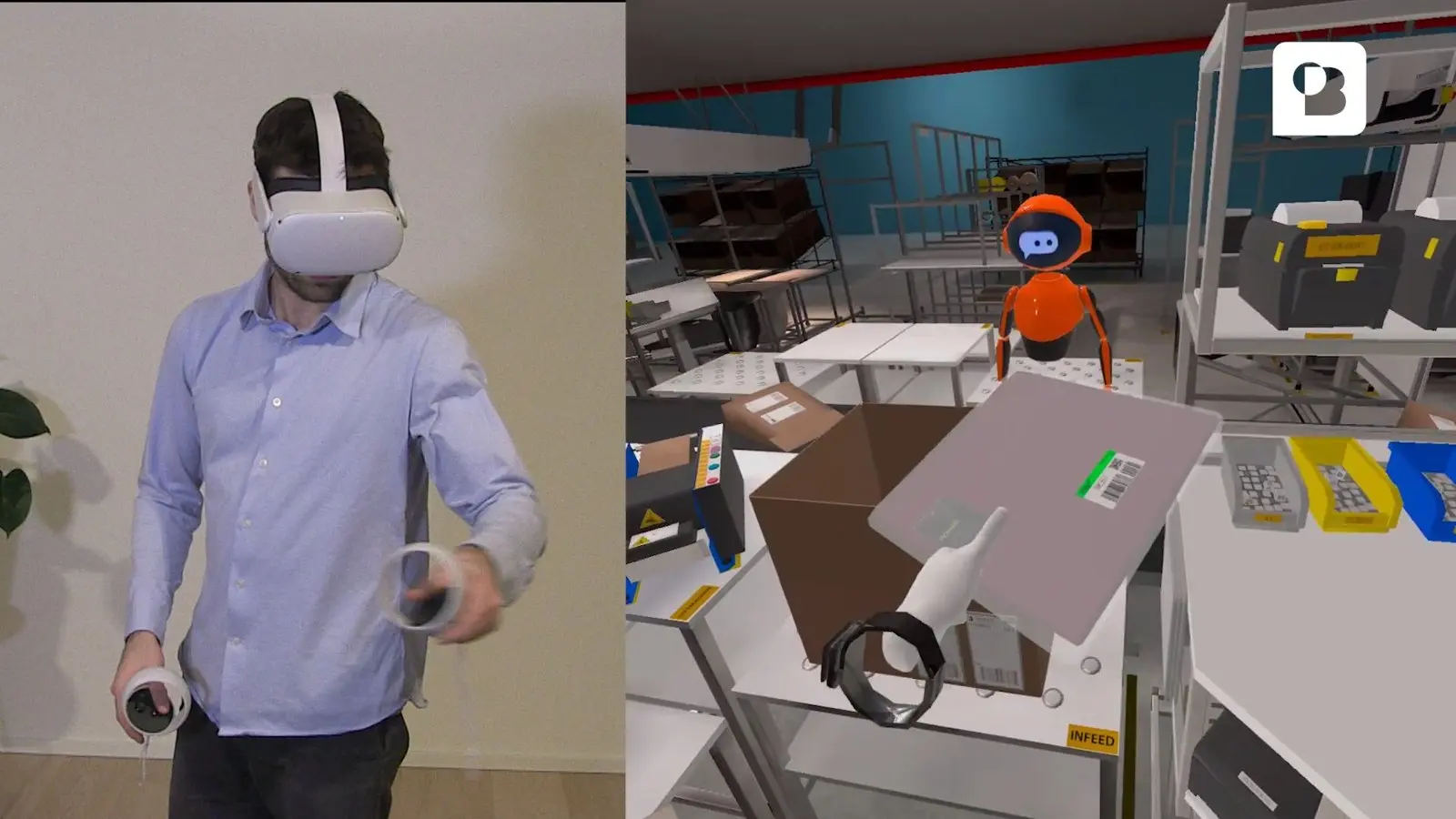
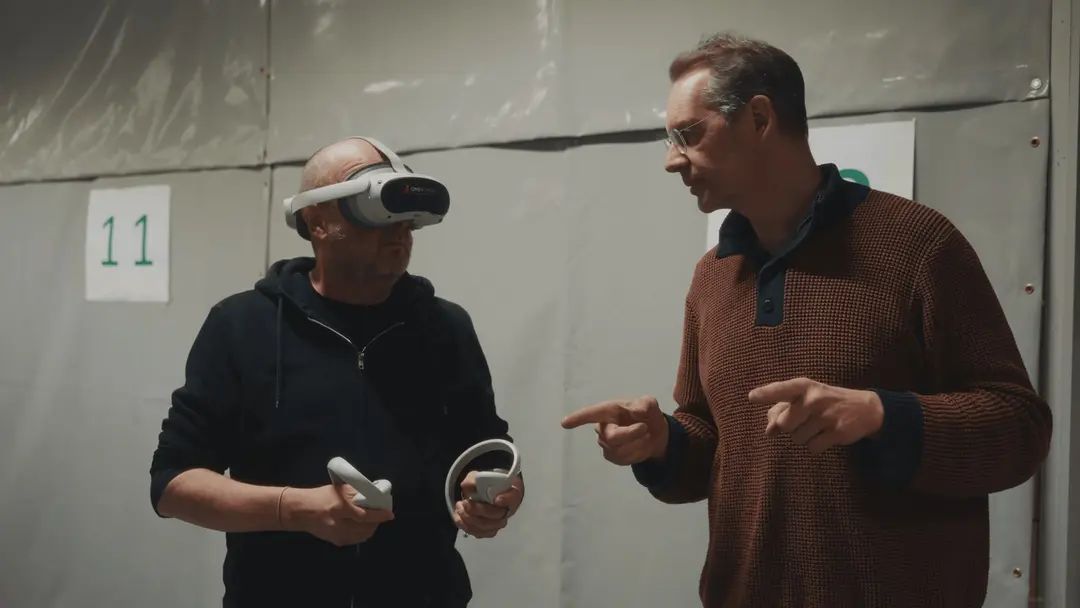
Colruyt Technics trains in groups. Twelve headsets run at the same time, and a group of up to 20 employees goes through in one session. A team arrives together and leaves trained. That suits topics where the session is short and the same for everyone.
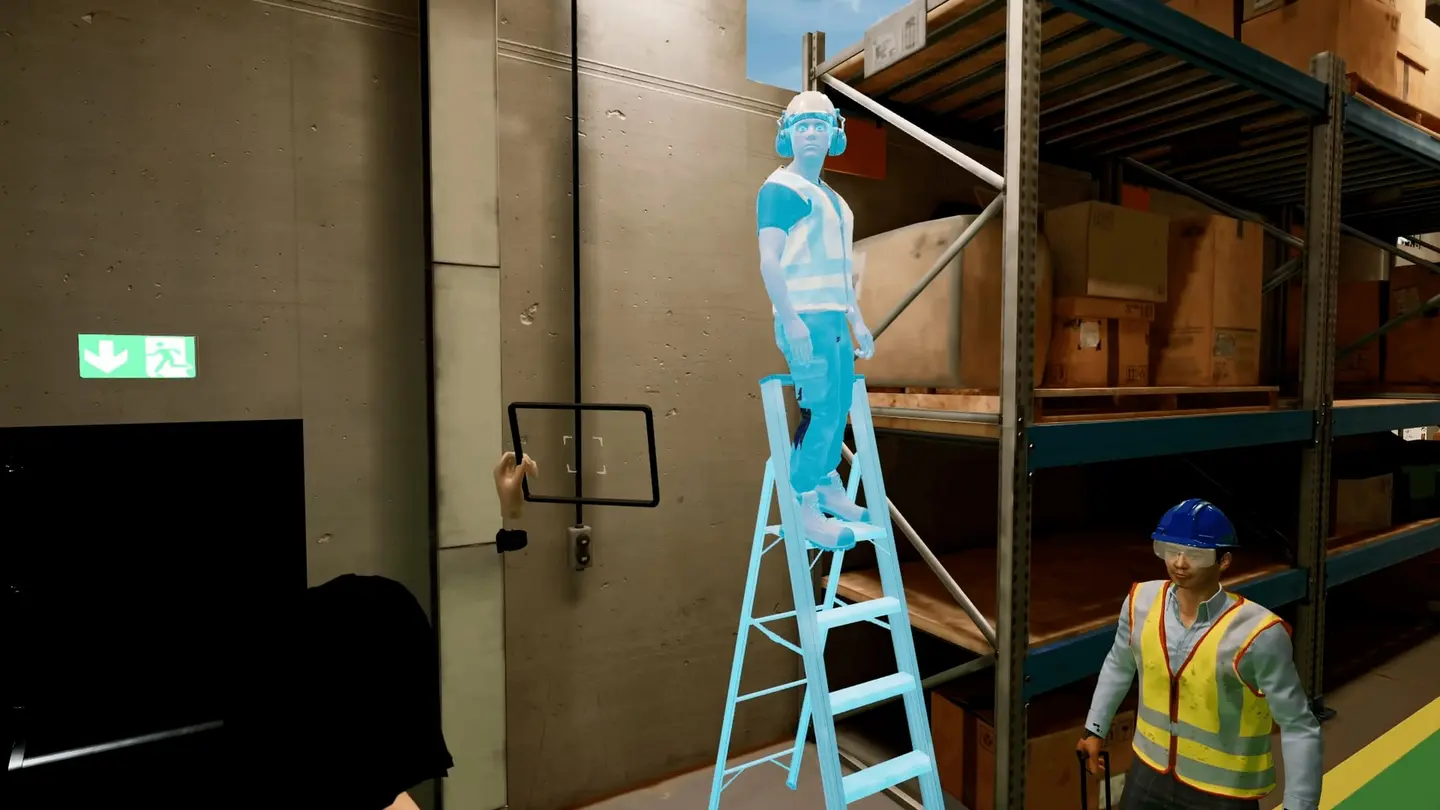
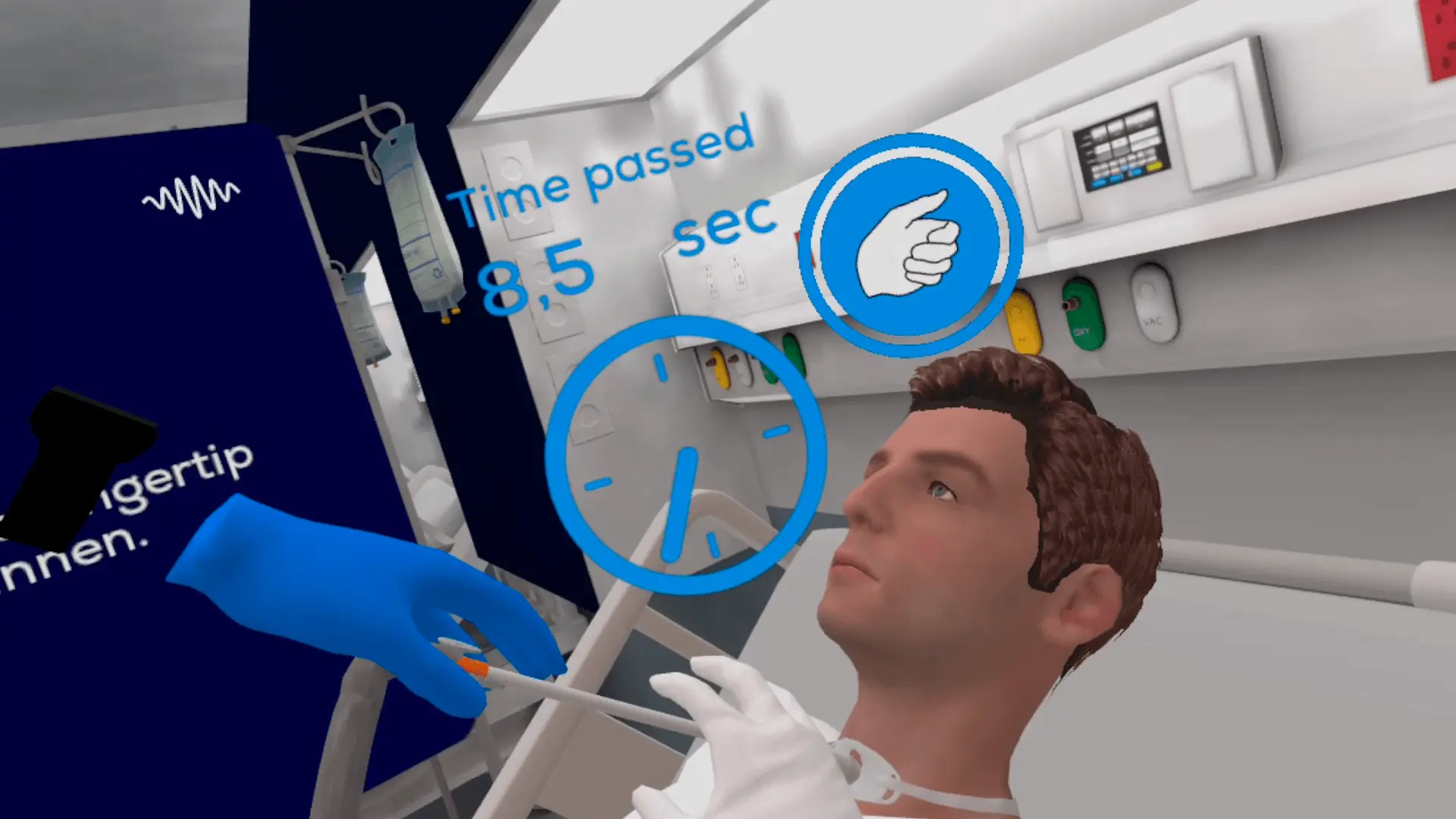
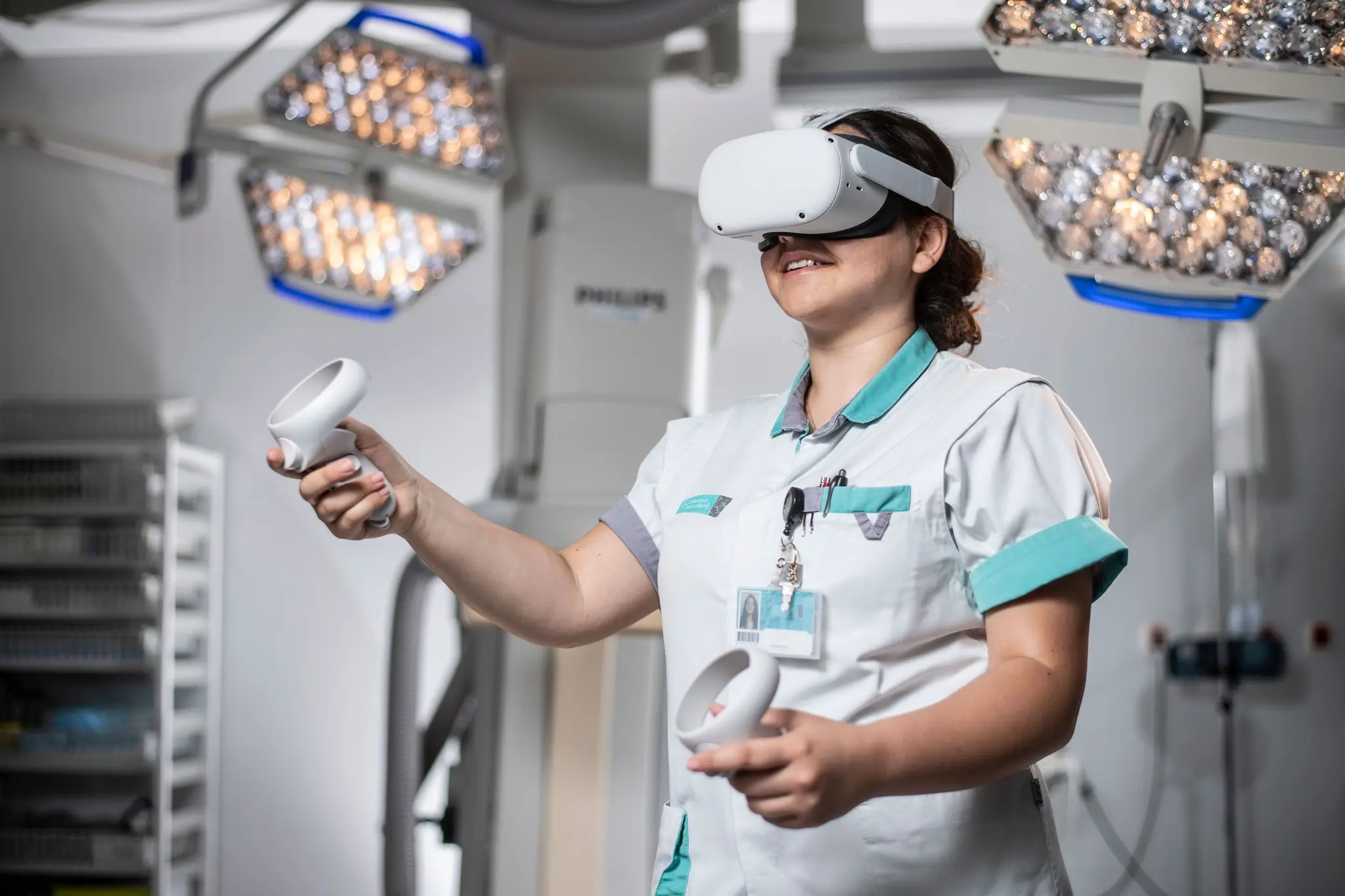
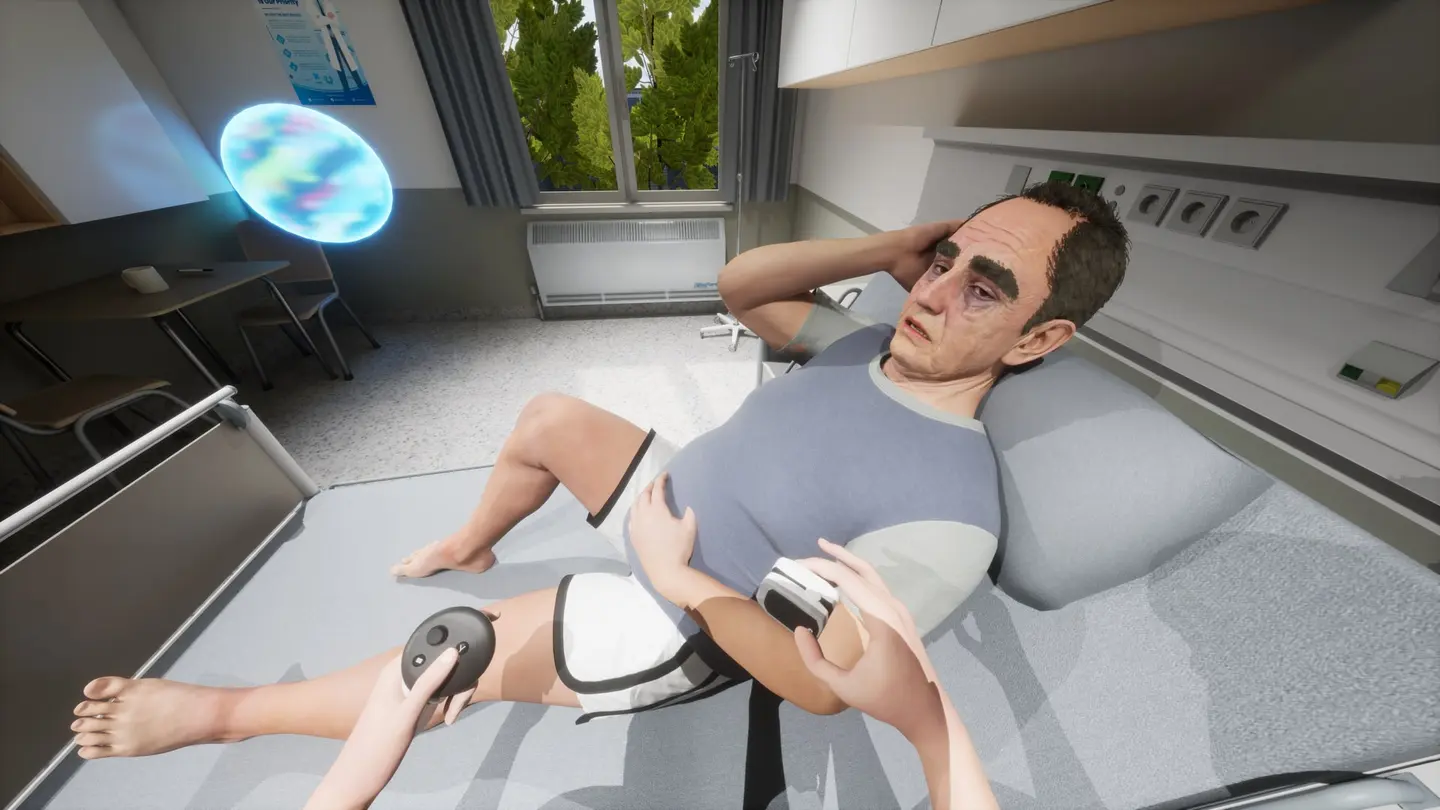
The University Hospital Bonn trains individuals. Nursing procedures are practised one person at a time, but a trainer does not have to stand next to every student. A virtual instructor platform lets trainers follow students live, step in to help, and set the patient's vital signs, skin colour and breathing before a session starts.
NMBS takes the sessions to the staff. Training happens at stations and depots, where the people already are.
Before you order hardware, do the arithmetic for your own case. If you allow twenty minutes per person including the changeover, one headset trains three people an hour. Multiply by the hours you can really schedule, not by the hours in a week.
Lesson 2: take the training to the people
Getting a thousand people to a training centre is a logistics project of its own. All three programmes avoided it.
The NMBS programme was built for deployment across facilities nationwide. Because the system is portable and quick to set up, sessions run at stations and depots without disrupting daily operations. Colruyt Technics runs its sessions across different sites without requiring extensive technical support.
What makes this possible is how little a session needs: about 2 × 2 metres per person and a standalone headset. For sites that do not want to manage devices, our mobile VR box holds two headsets and an instructor tablet in one case, with built-in charging and WiFi, and is ready in about two minutes.
Lesson 3: relevance decides whether people take it seriously
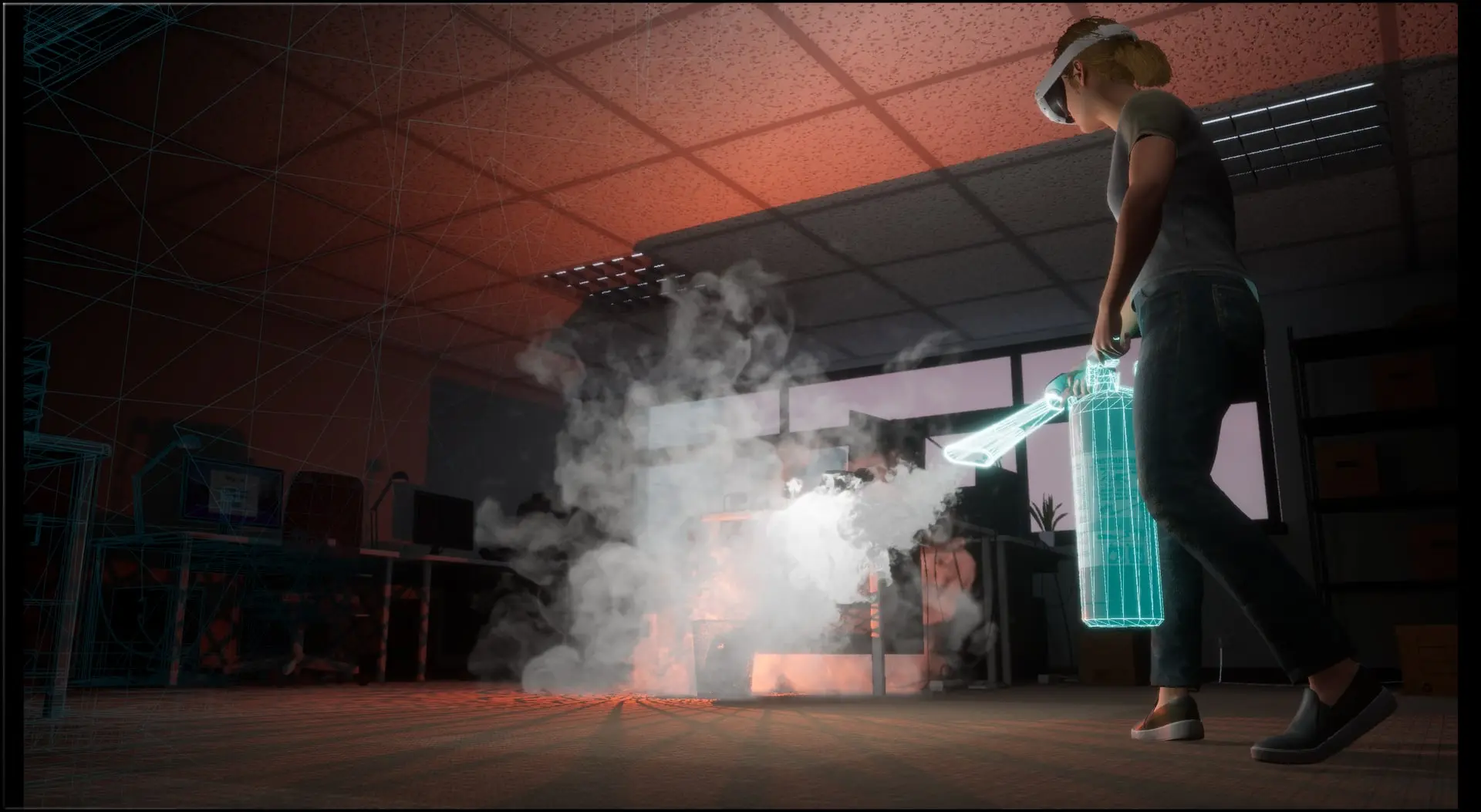
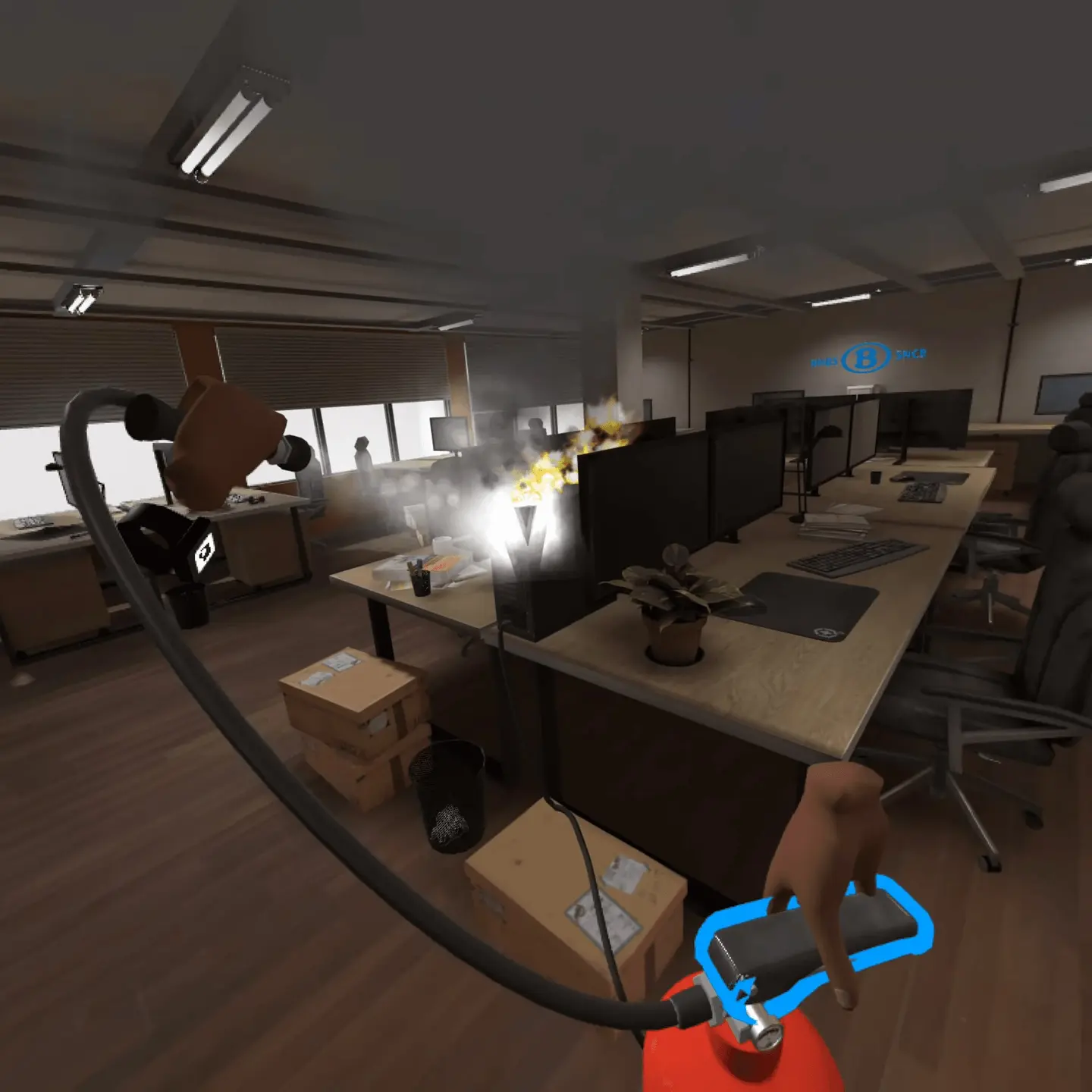
NMBS already had access to generic fire training. It was not enough. Railway staff meet fires in confined spaces, around specific equipment and in poor visibility, and none of that appears in an office scenario. So the scenarios were designed together with the NMBS safety teams: hose operations, extinguisher use, low-light fires and full evacuations inside station environments.
Training in VR is even more realistic than using a staged fire. It allows us to train in a realistic and relevant environment.
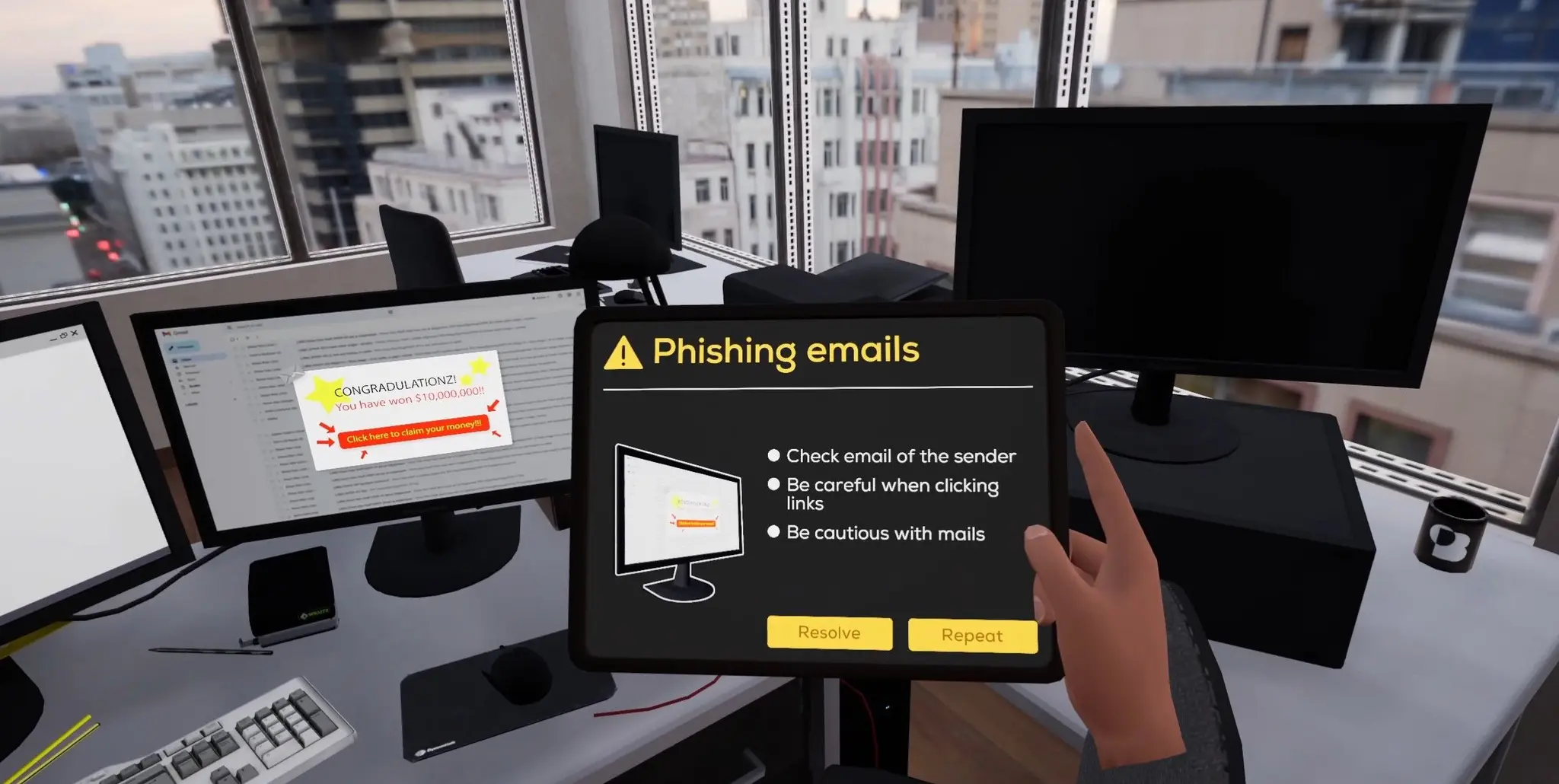
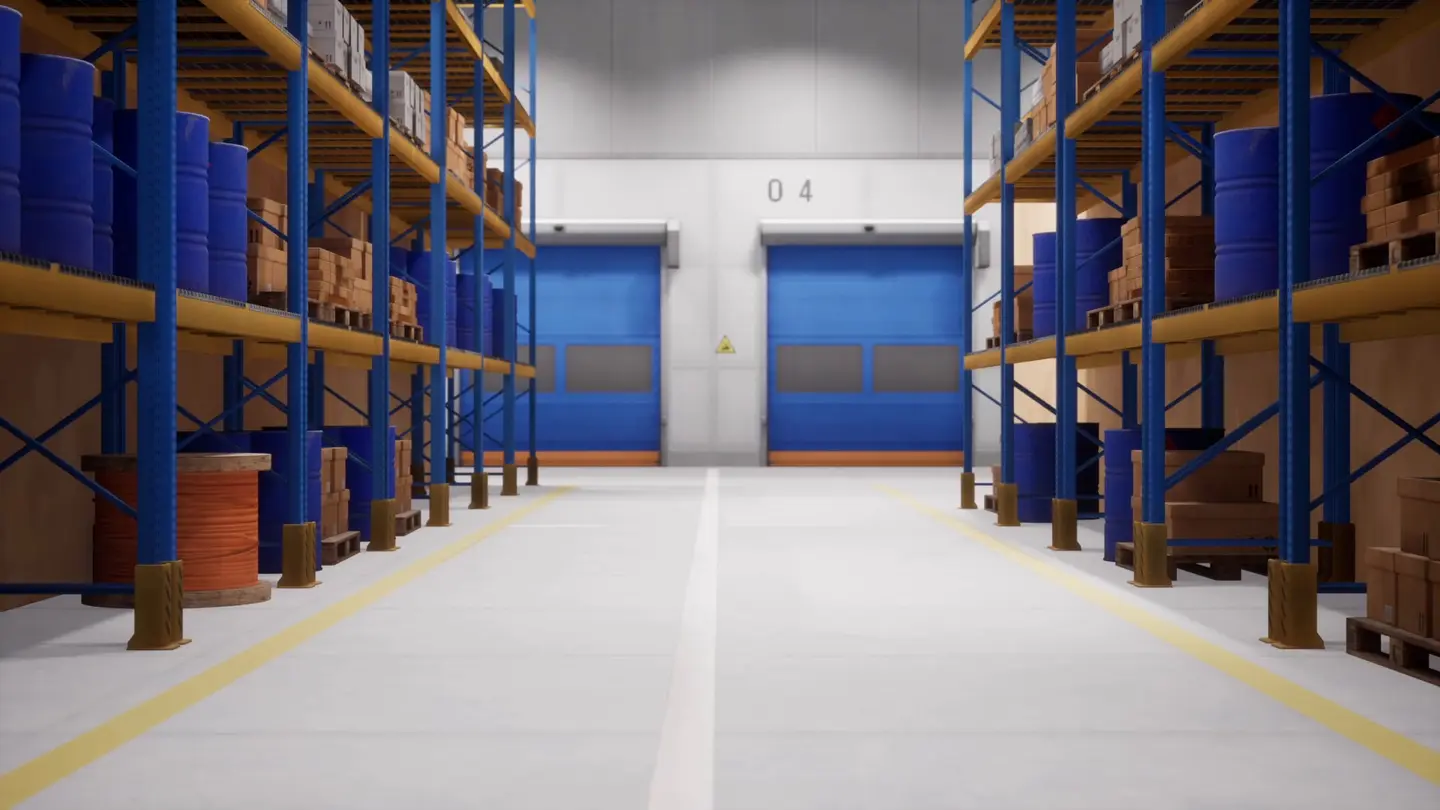
Colruyt Technics made the opposite choice and it was equally right. Hazard spotting and fire safety are much the same in any warehouse or workshop, so the ready-made modules were relevant as they were.
The lesson is not that custom is better. It is that people stop paying attention the moment the scenario looks like somebody else's workplace. Decide per topic how close the content has to be.
Lesson 4: plan for languages from the start
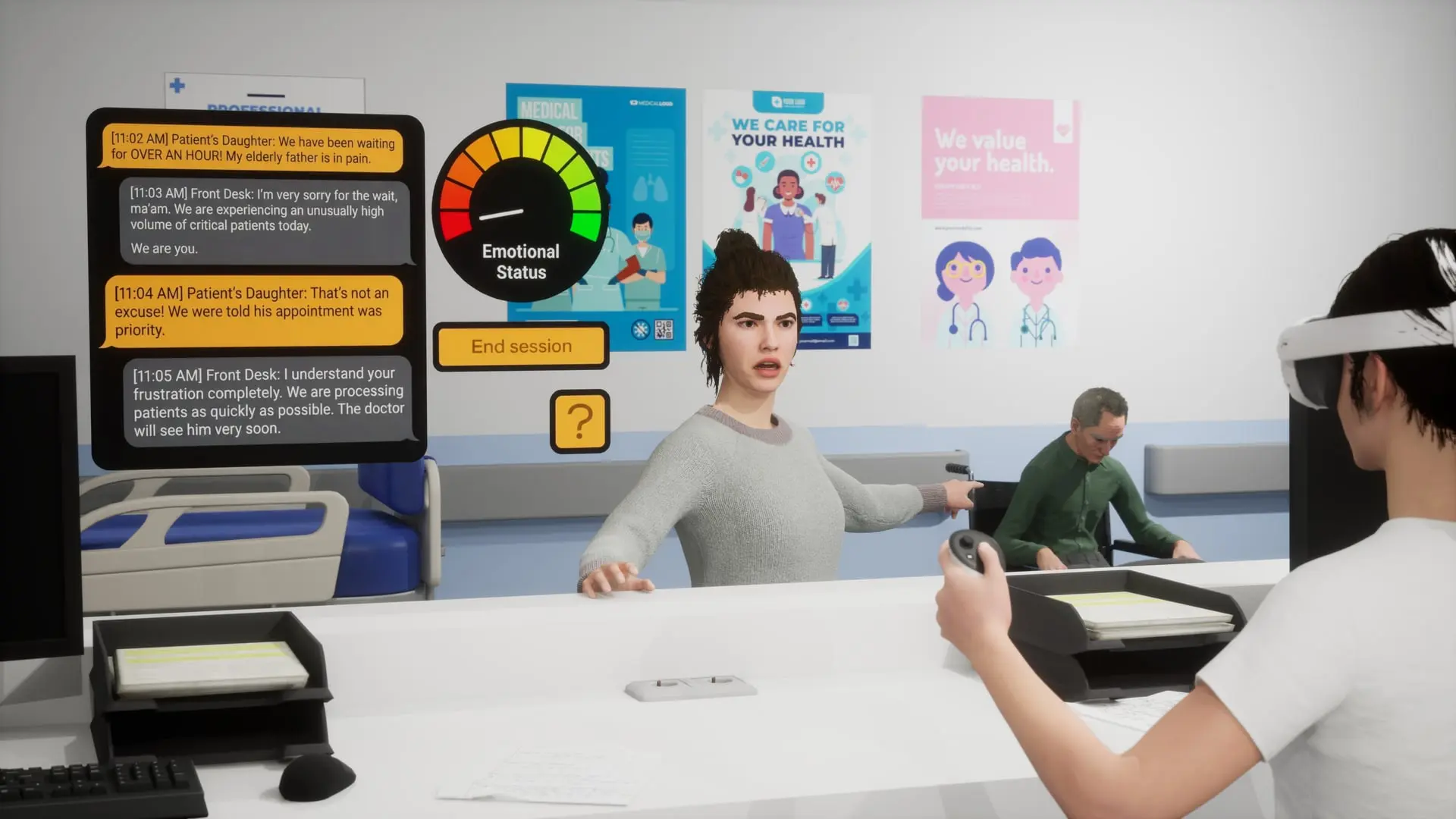
Large workforces are rarely monolingual. The hospital in Bonn trains domestic and international nursing students, including students from partner institutions in Mexico, so the programme supports training in German and English.
Language also decides who you can hire. When Nike moved warehouse onboarding into VR with multilingual support, the training reached people the classroom version could not:
The VR training makes it possible to attract otherwise impossible to reach demographics.
Our ready-made modules are available in more than ten languages. If you build your own content, settle the language list before development starts. Adding one afterwards is harder than including it from the beginning.
Lesson 5: results have to land somewhere
With fifteen people, a spreadsheet is enough. With a thousand, you need to answer three questions at any time: who has been trained, who has not, and who is due for a refresher.
The Bonn programme is connected to the hospital's learning management system, which captures the training data and tracks student results over time. The ready-made modules include performance tracking and feedback. Whichever you use, decide before the rollout where the record lives and who looks at it.
The unglamorous list
Most rollout problems are not about training at all. Give each of these an owner before the first session:
- Charging. Headsets that were not plugged in overnight cancel a morning of sessions.
- Hygiene. Wipe headsets and controllers between users, and say so, because people ask.
- Storage and transport. A case per site, or one kit that travels on a schedule.
- Updates. Somebody installs them before the session, not during it.
- WiFi. Check it in the room you will use, not in the office next door.
- A spare. One headset more than the schedule needs.
- A named person per site who runs the sessions and knows whom to call.
None of this is difficult. All of it has to be somebody's job.
What the three have in common
Each programme was designed around its own bottleneck. For NMBS it was location: staff are spread across the country. For Colruyt Technics it was throughput: a large workforce and limited time per team. For the hospital it was trainer time and patient risk.
Find yours first. The format, the hardware and the content follow from it.
The case studies give the detail: NMBS nationwide fire safety training, scalable hazard training for Colruyt and the VR nurse training programme for the University Hospital Bonn. For the budget side, see what VR safety training costs and returns.