A 90-day plan for a first VR training pilot: pick one problem and one metric, run real sessions with a small group, and end with a decision.
A VR training pilot can fail in two ways. It can show that VR does not suit your organisation, which is a useful result. Or it can end with a few enthusiastic colleagues, a headset in a cupboard and no decision, which is not.
The second kind of failure has little to do with the technology. It comes from starting without a question to answer. This plan is built around avoiding that: ninety days, one training problem, one number, and a decision at the end.
It assumes you start with a ready-made module, because that is the quickest way to get a headset on someone's head. If you need custom content, the build comes first and the ninety days begin when there is something to train with.
Before you start: what a pilot costs
A pilot on a ready-made module needs four things:
- A subscription per headset. Our modules are sold monthly or yearly and can be cancelled at any time, so a three-month pilot is three monthly payments per headset. The prices are on the plans and pricing page.
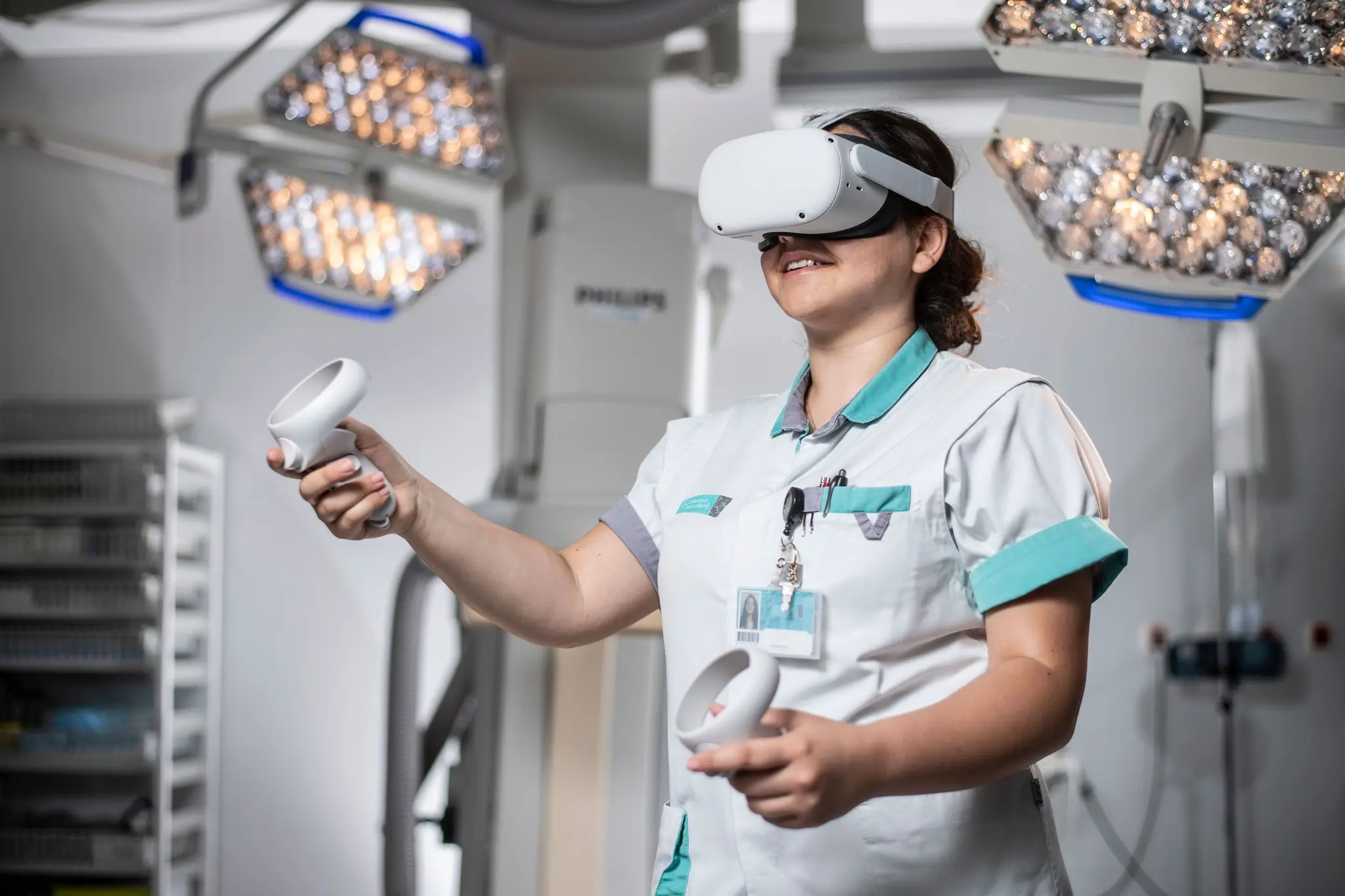
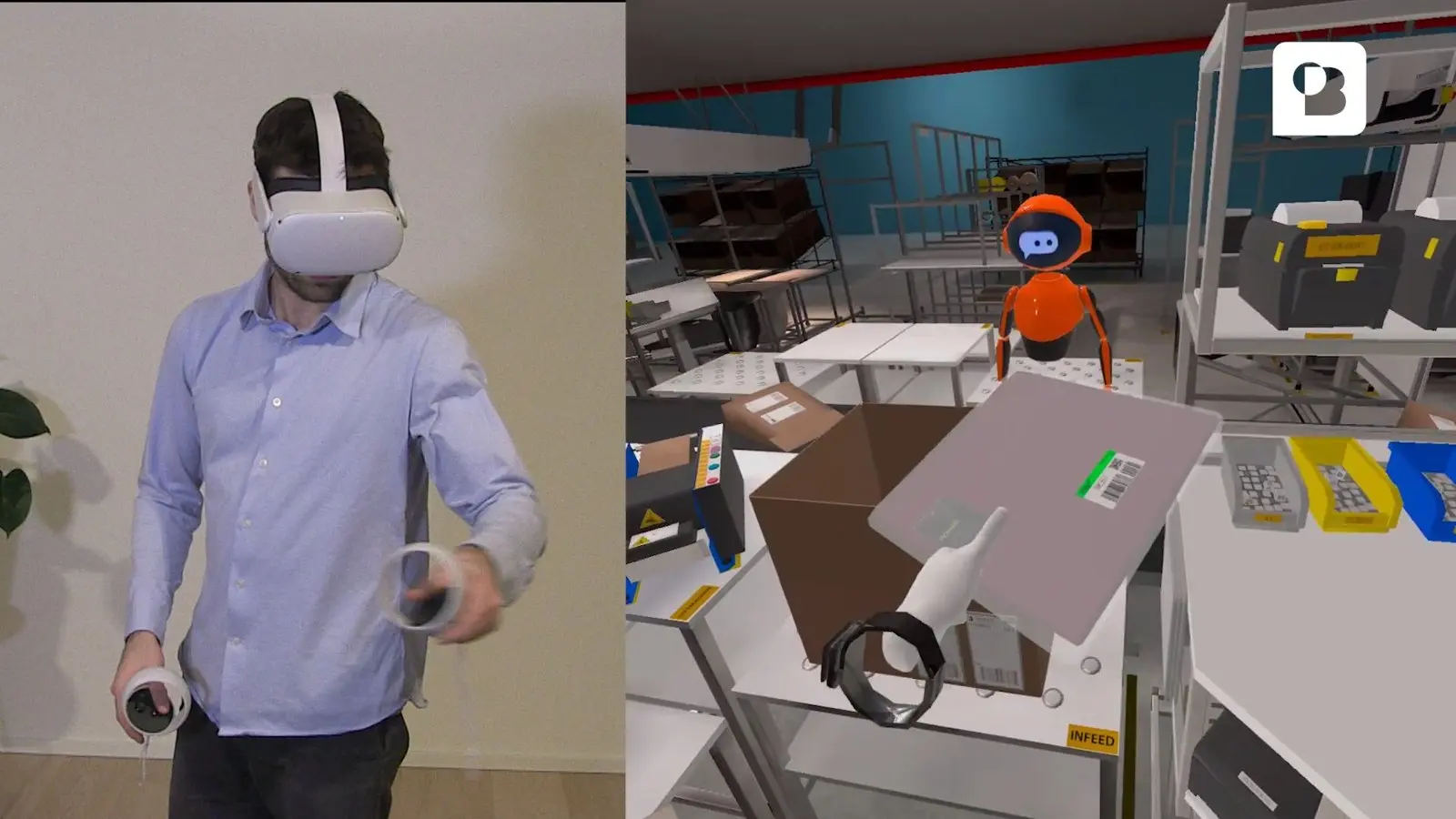
- Headsets. One per person training at the same time. The modules run on standalone headsets such as Meta Quest and Pico.
- About 2 × 2 metres per person. A cleared corner of a meeting room is enough.
- 10 to 20 minutes per session, plus someone to run it.
Every module has a free demo. Try it before day one, so the pilot tests your organisation and not your first impression of VR.
Days 1 to 15: one problem, one metric
Start from a training problem you already have, not from the technology. Good candidates share three features: the training happens regularly, it costs real money or time, and somebody already measures something about it.
Examples:
- New starters wait weeks for the next fire training session.
- Fire or first aid refreshers happen less often than you would like because each session is expensive to organise.
- Your employees do not have the time to schedule in classroom training for 0,5 day
- Hazard awareness sessions are held in a classroom and nobody can say whether they change anything.
Then choose one success metric and write it down before anyone trains. It can be:
- time: hours per person, or days until a new starter is trained
- cost: per trained person, against what you pay now
- coverage: the share of a team trained within a period
- performance: scores on the scenarios, first attempt against second
Write down the threshold as well. "We continue if we can train a whole shift on site in one afternoon" is a decision rule. "We want to see whether people like it" is not.
Finally, name an owner. A pilot that belongs to "HR and safety together" belongs to nobody.
Days 16 to 45: set up
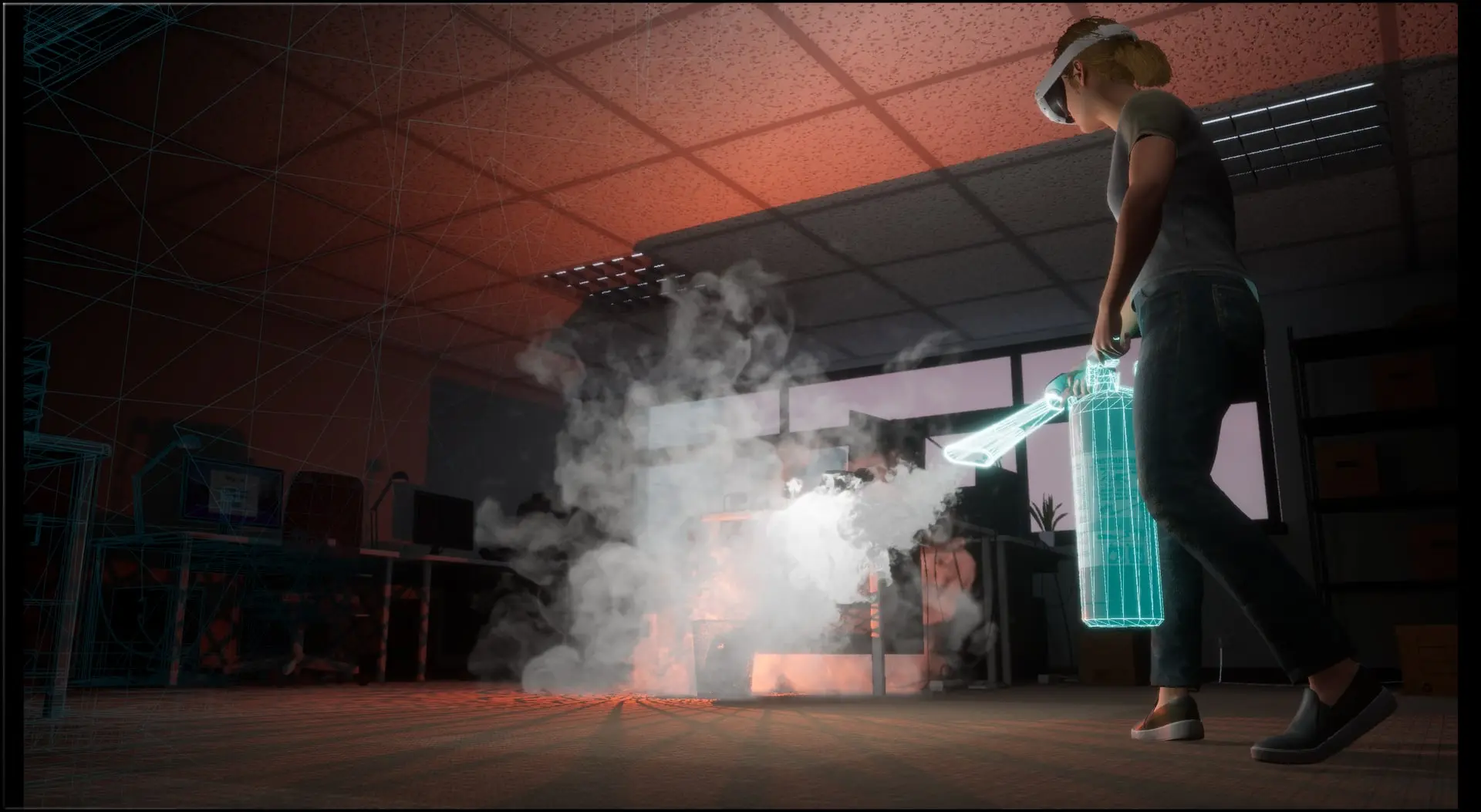
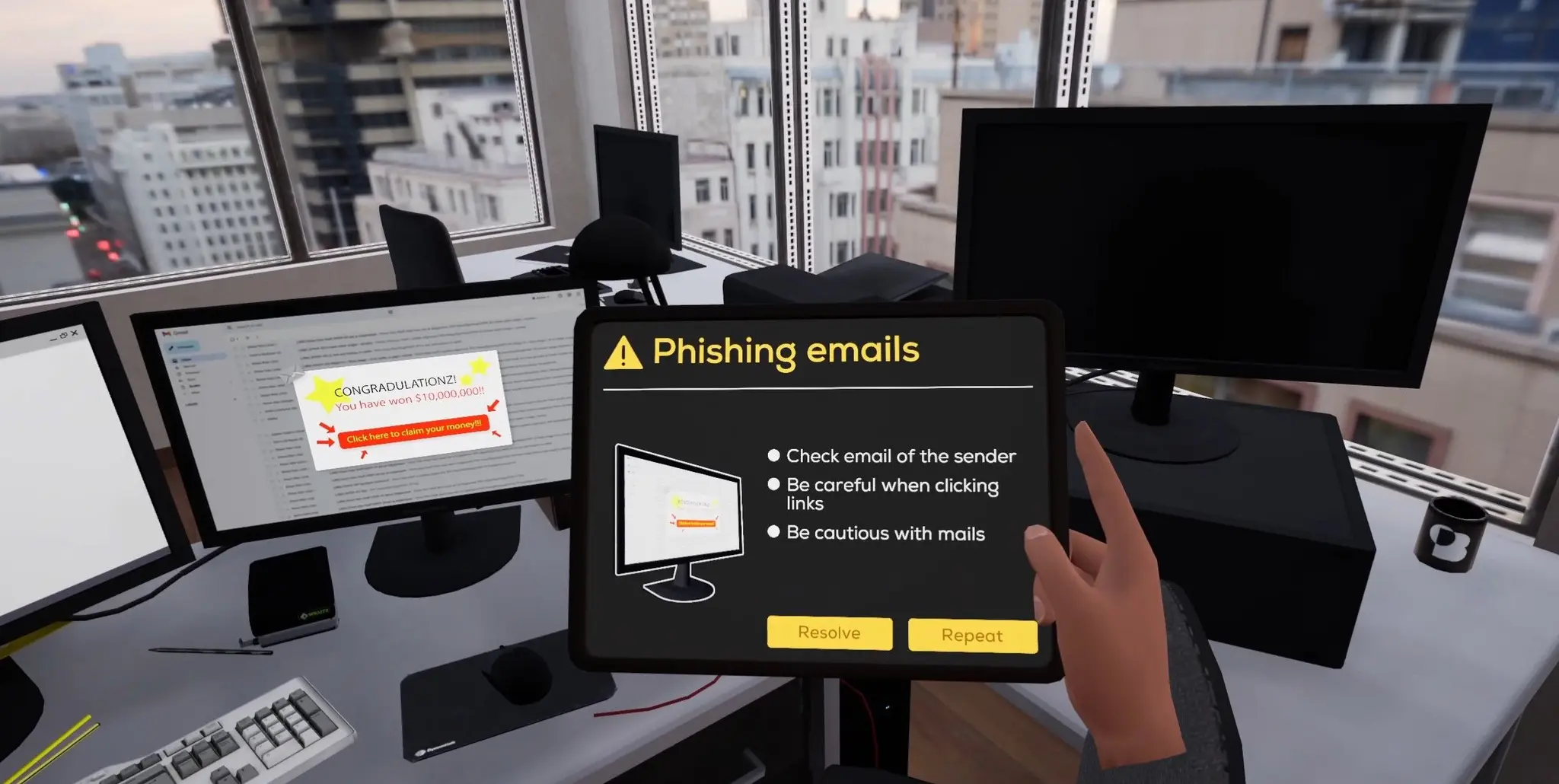
Choose the module that matches the problem: fire, first aid, hazard spotting or cybersecurity awareness. Resist piloting several at once. One module gives you a clean answer.
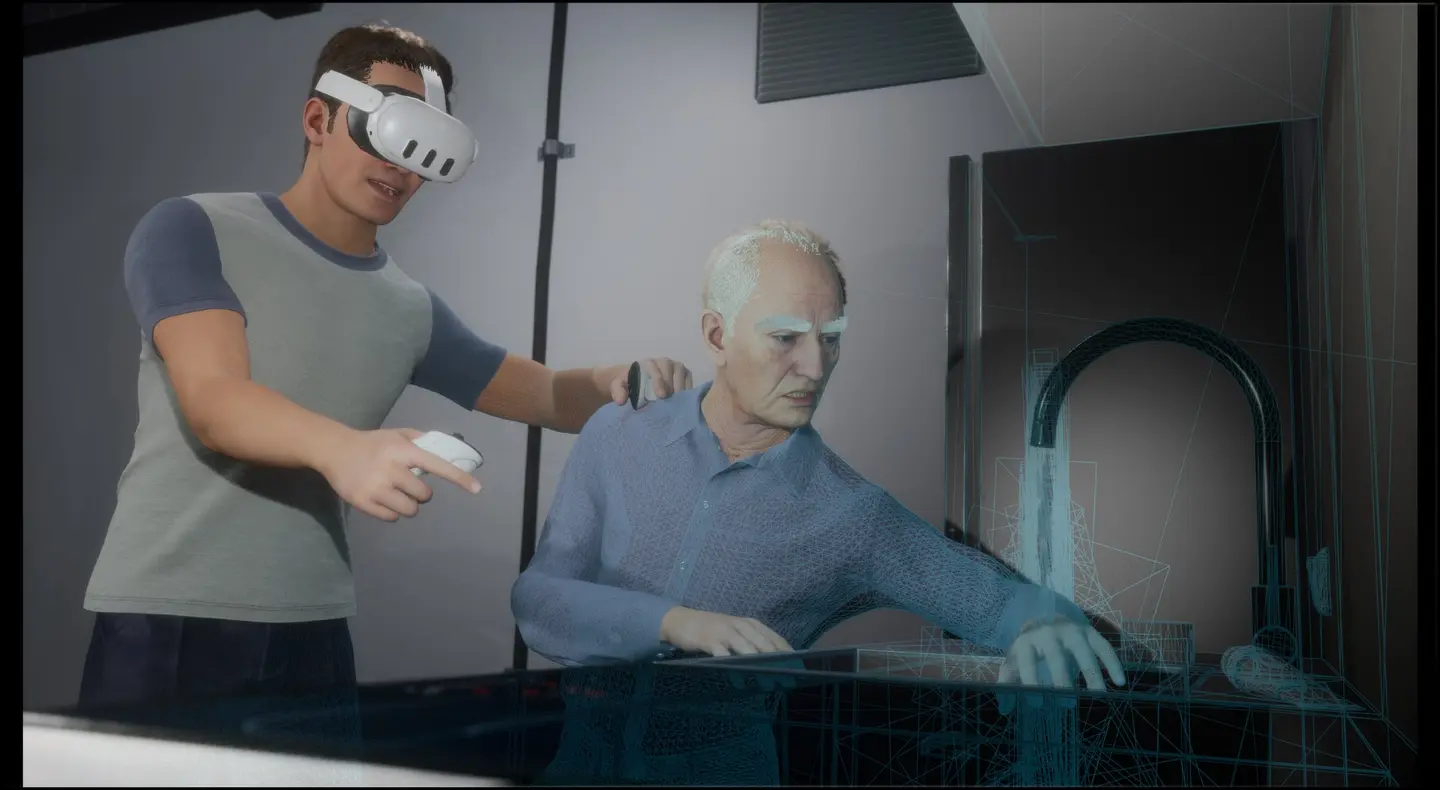
Sort out the hardware. For a pilot, a small number of headsets is enough. If you want to avoid setting up devices yourself, the mobile VR box holds two headsets and an instructor tablet in one case, with built-in charging and WiFi, and is ready to use in about two minutes.
Pick the pilot group. Fifteen to thirty people is enough to learn from, if they are the right people: one real team or shift, not volunteers. Volunteers like new technology. You need to know what the sceptical colleague on the late shift thinks.
Involve the people who can stop it. That usually means the prevention advisor, the team's manager, IT for the WiFi and device questions, and the works council or employee representatives where you have them. An objection in week three is cheap. The same objection after the pilot is a veto.
Appoint the person who runs the sessions and let them go through every scenario themselves first.
Days 46 to 75: run real sessions
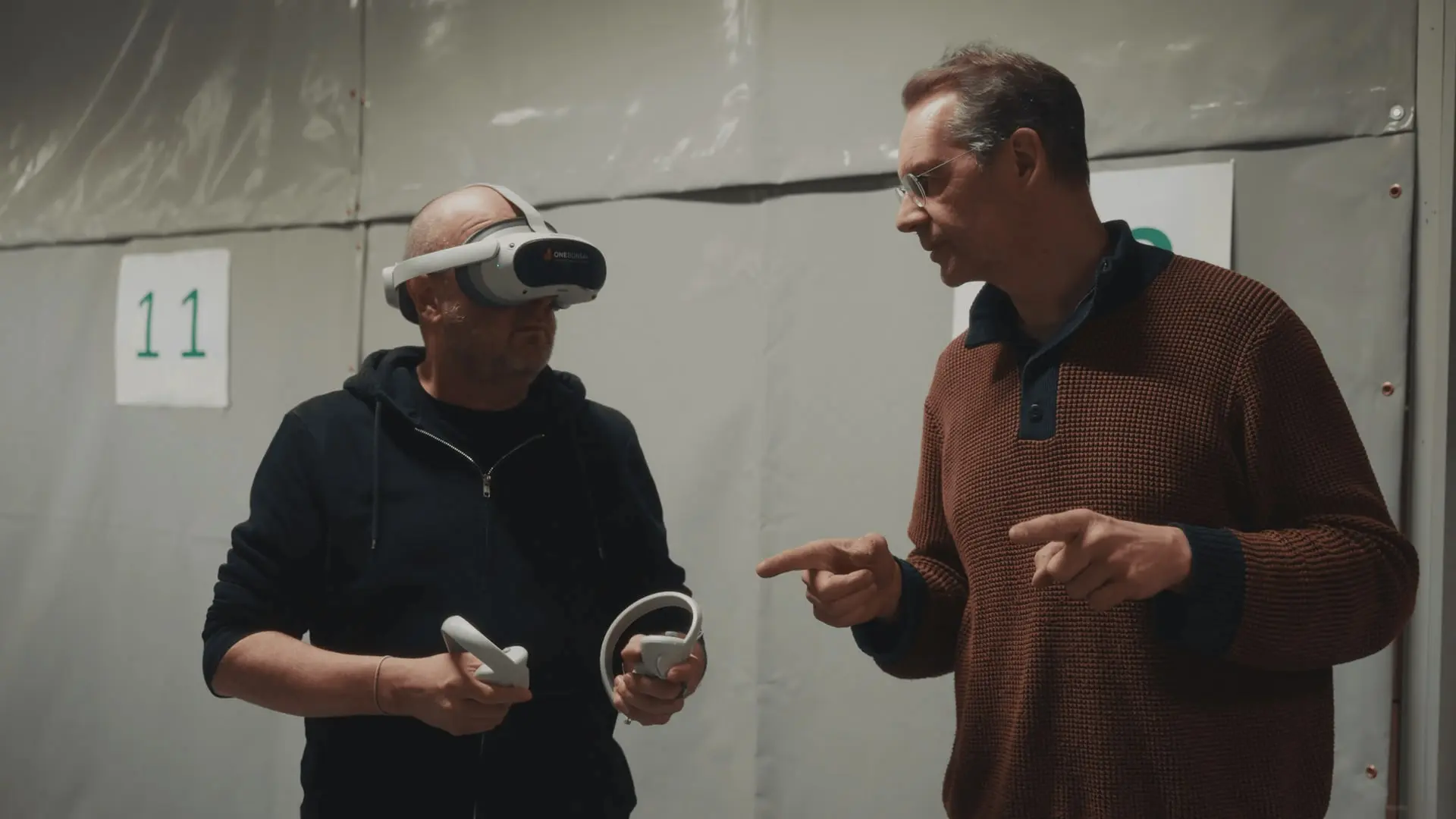
Run the sessions the way you would run them after a rollout: on site, during working hours, with the person who would do it in future. A pilot held in the boardroom with the supplier present tells you nothing about a Tuesday in the warehouse.
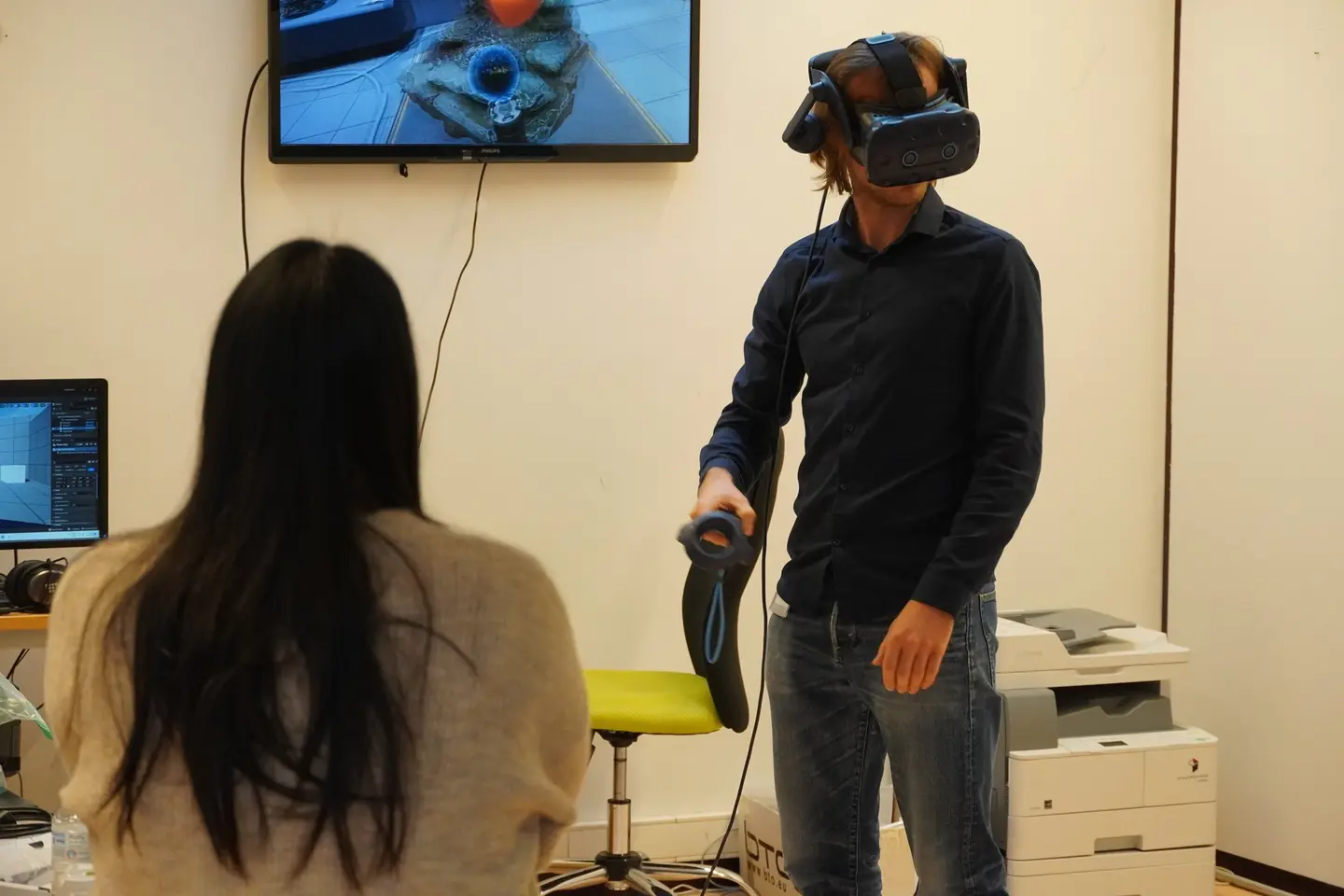
A few things to do in every session:
- Explain the headset first. A short explanation of how to put it on and what to expect saves confusion once the scenario starts.
- Keep it short. Sessions of 10 to 20 minutes stay comfortable. A small number of people experience motion sickness, so let anyone stop without fuss, and note how often it happens.
- Let people repeat. A second scenario costs minutes. The difference between a first and second attempt is one of the most useful things you will measure.
- Collect the same three things each time: the scores from the module's performance tracking, how long the session really took including set-up, and two or three questions to each participant afterwards.
Keep the questions plain. Did it feel relevant to your work? Would you do this again instead of the classroom session? What was annoying?
Write down the practical problems as they happen: flat batteries, a room that was too small, a shift that could not spare people. These decide whether a rollout works, more than the scores do.
Days 76 to 90: decide
Go back to the metric and the threshold from the first two weeks and report against them. One page is enough:
- What we set out to test, and the number we chose.
- What we measured.
- What it would cost to do this for everyone, against what we pay now.
- What went wrong, and what it would take to fix.
- The recommendation: roll out, extend the pilot with a specific change, or stop.
For the third point, our guide on what VR safety training costs and returns has a worked example of the software cost per trained person and the cost lines to compare against your current training.
"Stop" is a legitimate outcome. So is "roll out for new starters only". What a pilot should not produce is "interesting, let us look at it again next year".
Why pilots stall
Pilots that end without a decision usually have one of these causes:
- No metric. Without a number agreed in advance, every result is open to interpretation.
- No owner. Nobody is responsible for the decision at the end.
- The wrong group. Enthusiasts only, so the results do not convince anyone else.
- A demo instead of a pilot. People tried the headset once at an event. Nobody ran a real session.
- Too much at once. Several modules, several sites and a custom scenario, all in the first quarter.
- Logistics discovered too late. Charging, storage, hygiene and WiFi were nobody's job.
What rollout looks like afterwards
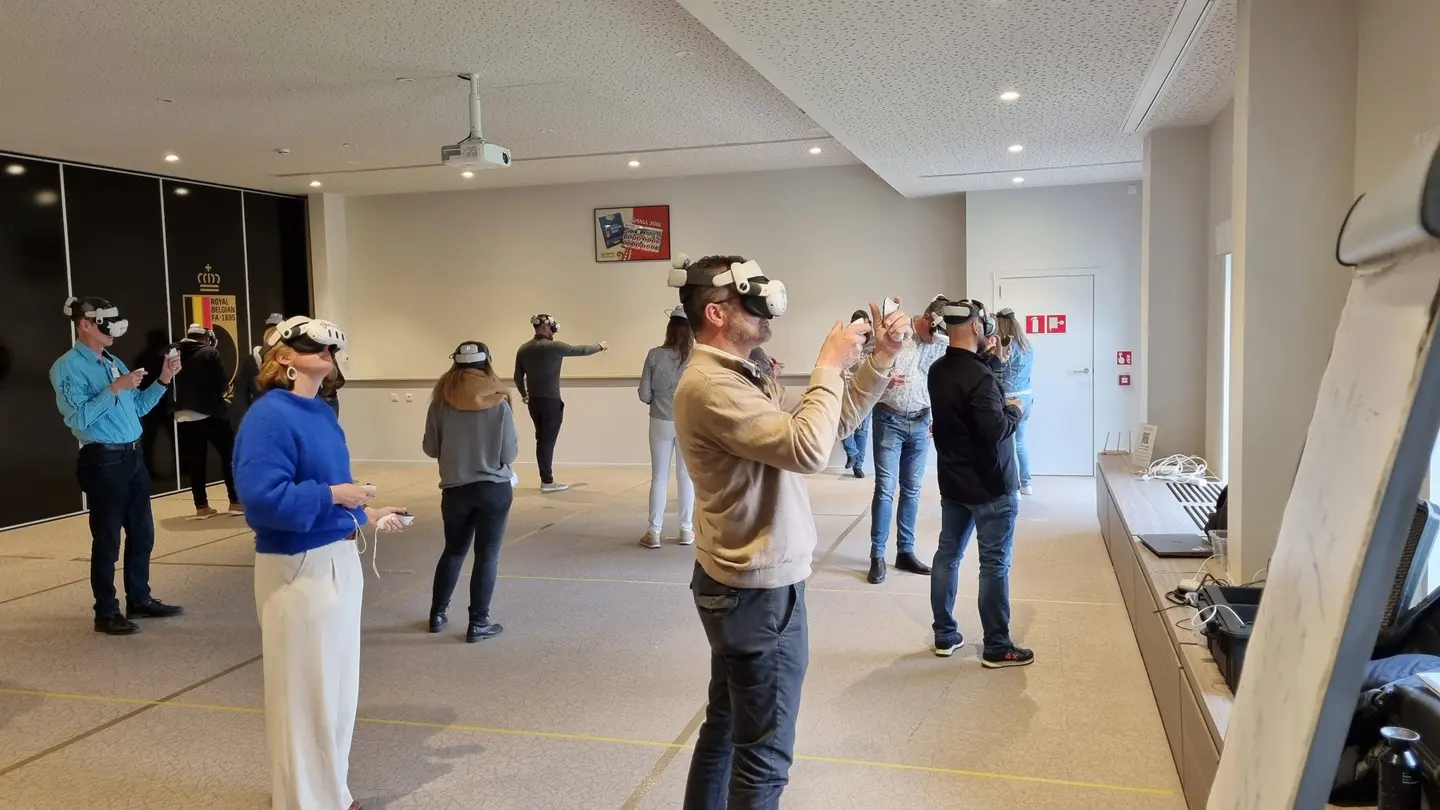
A pilot with fifteen people and two headsets can grow a long way without changing shape. Colruyt Technics trains groups of up to 20 employees per session with 12 headsets, using the same ready-made modules a pilot would start with. The step from pilot to programme is mostly more headsets and a schedule.
If the pilot shows that the ready-made content is close but not close enough, that is the moment to talk about adapting scenarios to your own site. You will be having that conversation with ninety days of evidence, which makes it a short one.