An AI-driven digital patient answers in its own words, shows emotion and can be generated by the instructor. What that changes for medical training.
Medical and nursing students learn to talk to patients in three stages. They practise on each other. Then on actors who play a patient. Then on real patients, under supervision. The first stage is unrealistic, the second is hard to schedule and costly to organise, and the third is the one nobody wants to get wrong.
An AI-driven digital patient adds a stage in between: a patient who answers in their own words, is available at any hour and can be made as easy or as difficult as the lesson requires. This post explains what that is, what it is good for and what to check before using one.
What a digital patient is
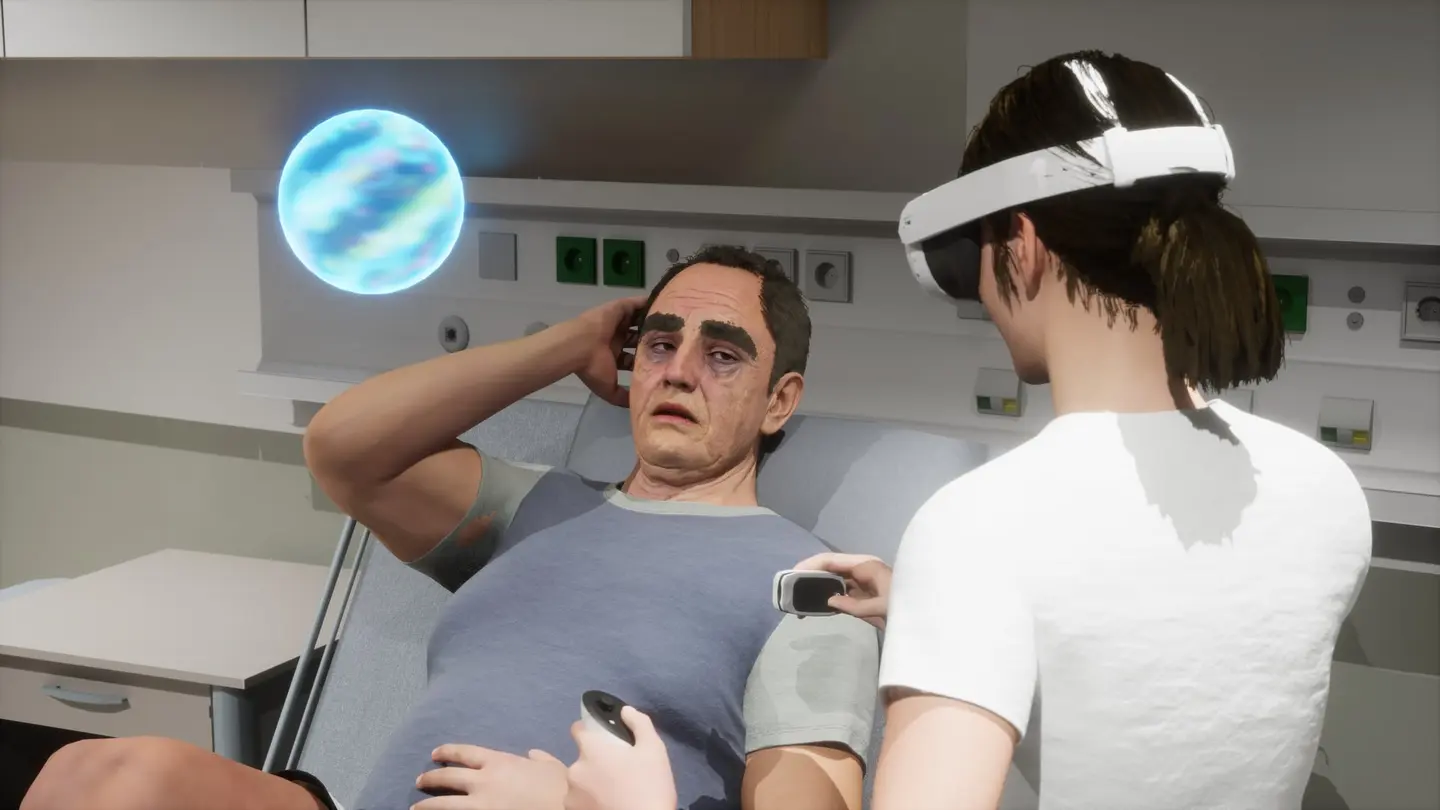
A digital patient is an AI-generated virtual person with a medical profile. It responds on the basis of its condition, its medical history and the conversation so far. Ours consists of several layers:
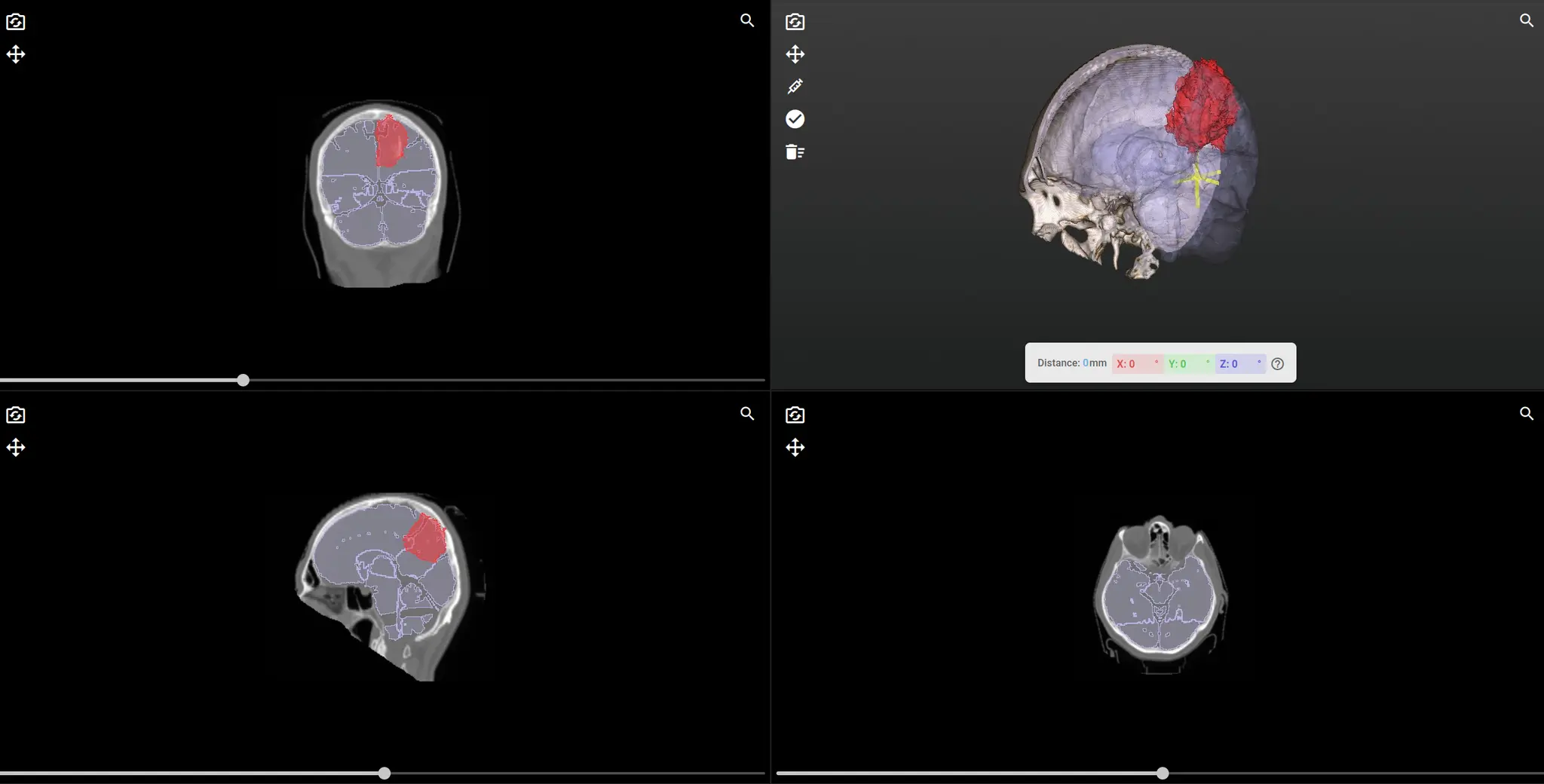
- A medical background: history, symptoms and generated exams such as CT and MRI.
- A body: external and internal wounds of various types and severity, with gestures, movement and positioning.
- An emotional model that governs the patient's state and micro-expressions.
- Speech: lip sync, several languages, adjustable speech volume and real-time conversation.

How it differs from a scripted simulation
Most clinical simulations are scripted. The student chooses from three or four questions, and each choice leads to a prepared answer. That teaches a protocol, but it removes the hardest part of a real consultation: working out what to ask.
With a digital patient there is no menu. The student speaks, and the patient answers from its profile. What the student learns depends on what they ask and how they ask it. Two students talking to the same patient will have two different conversations.
Which conversations to practise
Taking a history. The basic skill, and the one that benefits most from repetition. The student has to find the relevant information, in a sensible order, without a list to choose from.
Patients in pain or distress. Because the emotional model drives the patient's state and expressions, a student learns to read a face while asking questions.
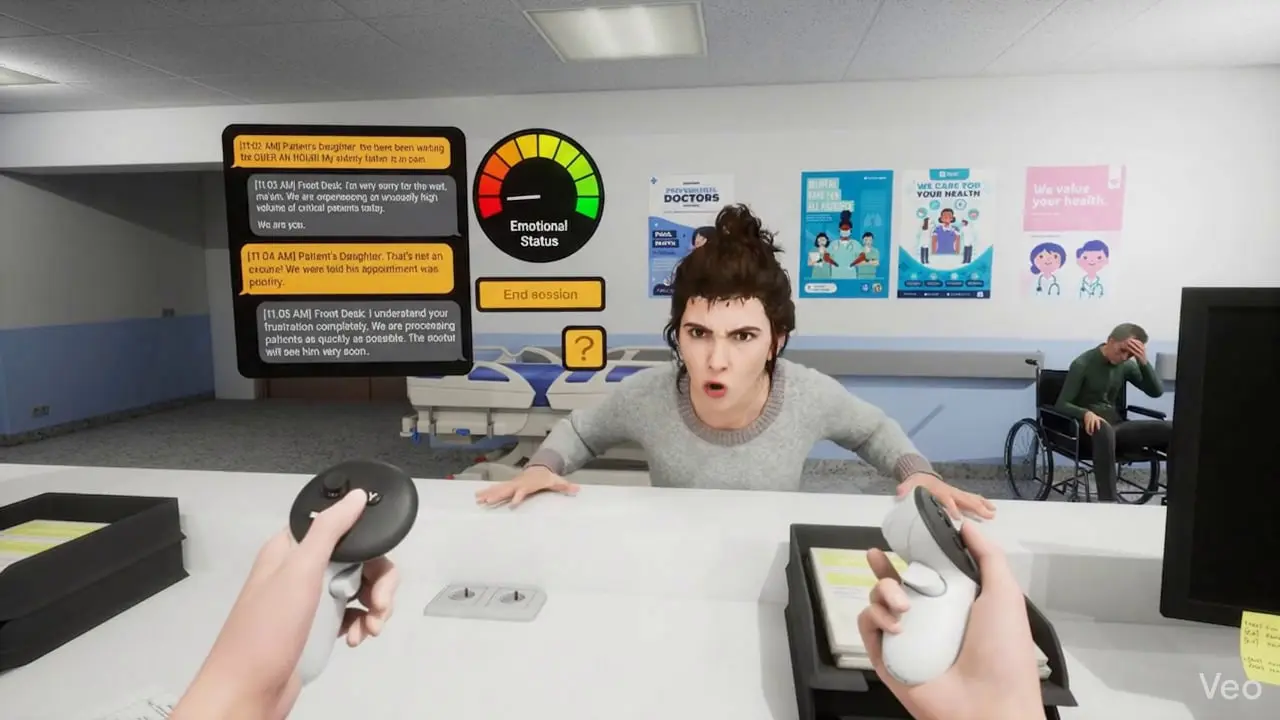
Upset patients and relatives. We used the same technology in a de-escalation training for healthcare staff, where virtual patients respond with anger, fear, confusion or distress to what the trainee says and does.
Patients who hear poorly. The digital patient can simulate hearing impairment at adjustable levels. The student has to change how they speak, and notice when they have not been understood.
Conversations in another language. Useful for students who will work in a second language, and for staff recruited from abroad.
Instructors generate their own patients
On a ward, what a student sees depends on who happens to be admitted that week. With digital patients, instructors can generate profiles themselves, which lets them train a variety of pathologies on demand.
Two things follow. A rare condition can be on the timetable instead of left to chance. And a whole cohort can meet the same patient, which makes assessment fairer: everyone was given the same case.
Feedback
The system analyses the student's responses and offers personalised coaching and insights in real time. A student can repeat the consultation straight away and try a different approach.
We would treat this as a first pass. It shows a student what they forgot to ask and where the patient's mood changed. Whether the clinical reasoning was sound is still for the instructor to judge.
Limits, and what to check
Clinical consistency. The patient's answers are constrained by its profile, but a generative model can still say something an instructor would not. Review a new profile before you use it in teaching, and review it carefully before you use it in an assessment.
It is a conversation, not an examination. A student cannot palpate an abdomen on a screen. Physical examination skills still need a mannequin or a person.
Where the model runs. What a student says is processed by an AI system. Ask where that happens and what is stored. In our de-escalation project the AI runs on GPU-powered cloud infrastructure. For institutions that need data to stay on site, we also build on-premise AI infrastructure.
Where it fits
A digital patient does not replace actors or real patients. It goes before them. Students can practise anytime, anywhere and on any device, as often as they need, so that the scarce hours with an actor or on the ward are spent on what only a human can teach.
A sensible first step is small: one course, one type of conversation and a handful of patient profiles written by the teachers who know the subject. See the digital patient page for the product itself, or the de-escalation training case study for the technology in use.